
By early autumn, a temporary ice rink should be moving from an idea to a site plan. Shopping centers, hotels, municipalities, and resorts are competing for equipment, installers, and opening dates. Useful quotations begin with a clear description of the venue.
This guide focuses on the decisions made before equipment is ordered. It complements the technical overview of ice rink refrigeration systems and helps a project team prepare a scope that suppliers can price and deliver.
Start with the dates. State the planned installation, ice build, staff training, opening, closing, and removal dates. Add daily opening hours, private sessions, maintenance periods, expected skaters on the ice, and whether the rink will return in future winters.
Then define the activity. Family public skating needs a different layout from hockey practice, a branded event, or a curling demonstration. A supplier can configure ice rink solutions only after the rink dimensions, surface use, operating schedule, and required accessories are known.
A refrigerated real ice rink provides the familiar glide, edge response, and resurfacing process that skaters expect. It needs a chiller, circulation system, rink floor, water, power, drainage, installation time, and daily ice care. Synthetic panels avoid refrigeration but create a different skating feel and maintenance routine.
Choose from the visitor experience and operating plan. If the goal is a true seasonal ice skating rink, budget for refrigeration and the floor system as well as staff, skates, boards, and site services.
Measure the available rink area and all working clearances. Confirm that the base is level, stable, drained, and able to carry the rink, water, ice, boards, skaters, and maintenance equipment. Record slopes, joints, underground services, steps, soft ground, decorative paving, and surfaces that must be protected.
Mark the delivery route, lifting access, chiller position, pump and header area, cable routes, emergency exits, queuing space, and resurfacing access. Outdoors, note sun, wind, rain, leaves, and nearby heat sources. A complete ice rink project begins with the venue.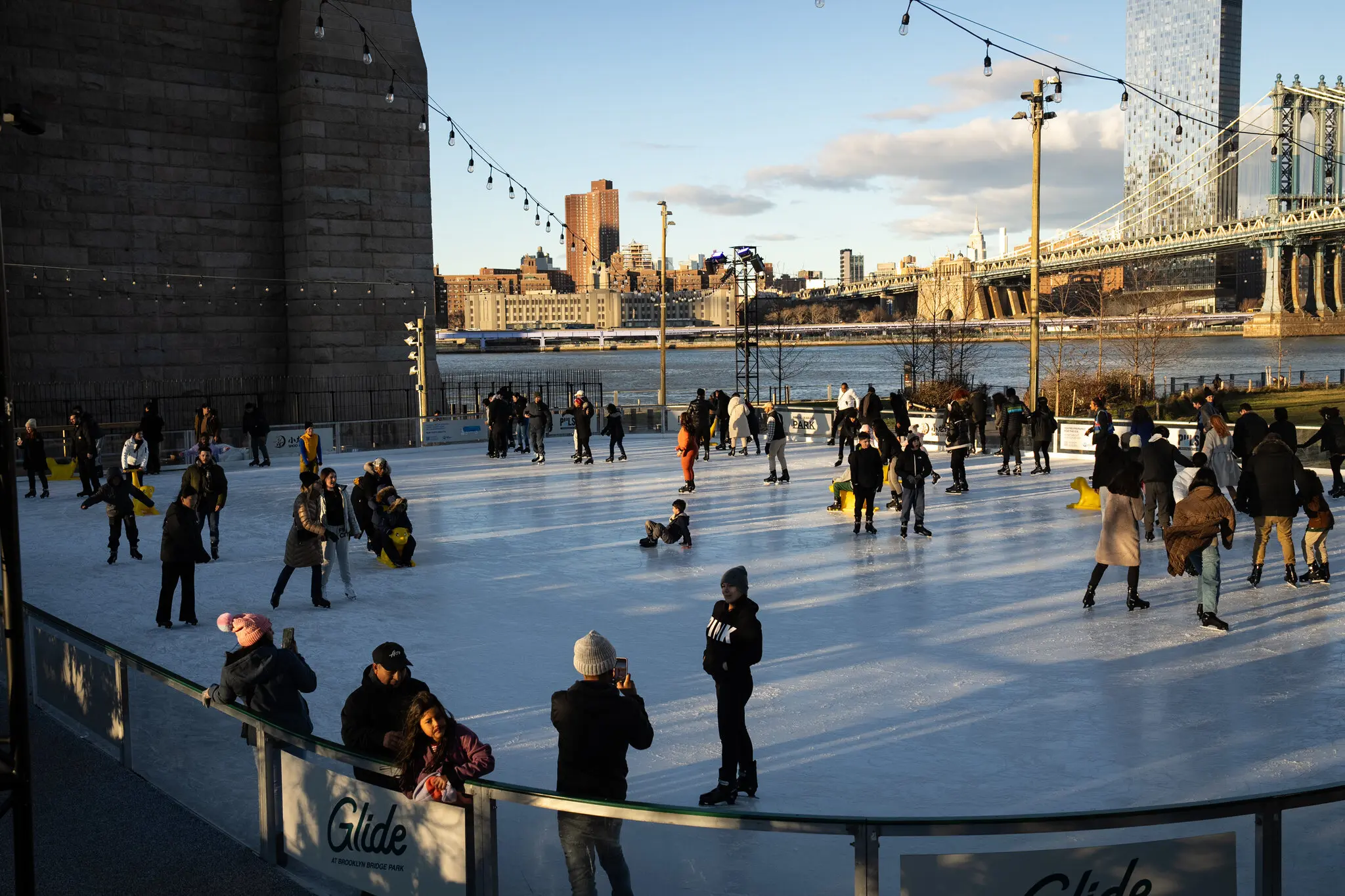
Square meters provide a starting point, but they do not size a chiller. The calculation must consider ice build time, air temperature, humidity, solar radiation, wind, rain, ground heat, resurfacing water, skaters, lighting, and operating hours. The system must handle both initial freeze down and the worst expected maintenance load.
Ask the supplier to state capacity at the actual coolant and ambient design conditions. A nominal rating under easier conditions can mislead. The refrigeration unit, pumps, headers, floor circuits, and controls should be selected as one system.
Portable rinks commonly use removable pipe mats, modular panels, or another engineered cooling floor over insulation and a protective base. The installation must distribute coolant evenly and prevent warm strips, leaks, or damage to the venue surface. Headers need protection from visitors and service vehicles.
Confirm who supplies leveling, insulation, pipework, coolant, leak testing, boards, ramps, and surface preparation. The proposal should state its tolerances. Small site errors become expensive after containers and installers arrive.
Send the supplier the available voltage, frequency, phase, transformer capacity, connection point, cable distance, and local electrical rules. Request a load schedule covering compressors, pumps, condenser fans, controls, heaters, lighting, and accessories. Starting current and part load control matter as much as the steady running figure.
If utility power is limited, define the generator, grounding, weather protection, noise, and refueling responsibility. The selected water chiller needs clear heat rejection. Provide water for ice building and resurfacing, plus drainage for melting, rain, and removal.
Outdoor ice can operate above freezing when the refrigeration system and floor are designed for the load, but direct sun, warm wind, and rain consume capacity quickly. Shade, wind protection, operating hours, surface covers, and weather based maintenance can make a large difference. Do not promise an opening condition the system was never sized to meet.
Indoor rinks avoid sun and rain, yet humidity, fog, condensation, lighting, and spectators can dominate the load. Coordinate ventilation and dehumidification with refrigeration. A wet ceiling or warm entrance can damage ice even when coolant temperature is correct.
A temporary rink is normally built with repeated thin water applications. The base, floor circuits, and first layers must freeze evenly before more water is added. Rushing a deep flood can trap defects and extend the schedule.
Water quality, temperature, and operator technique affect clarity and hardness. Allow time for painting, additional layers, edge work, testing, and staff practice. Daily work includes inspection, resurfacing, patching, snow removal, coolant checks, and weather adjustments.
|
Decision |
Information to provide |
Cost risk if missing |
Supplier evidence |
|
Venue |
Dimensions base access and weather |
Rework or delayed installation |
Site layout and assumptions |
|
Operation |
Dates hours skaters and ice use |
Wrong capacity or staffing |
Design duty and schedule |
|
Utilities |
Power water drainage and noise limits |
Unplanned local work |
Electrical and utility schedule |
|
Equipment |
Floor chiller pumps boards and controls |
Incomplete quotation |
Itemized supply boundary |
|
Delivery |
Freight permits labor and commissioning |
Missed opening date |
Milestone plan and responsibilities |
Compare purchase, rental, and turnkey offers on the same basis. Include freight, local trades, coolant, installation, commissioning, training, spares, removal, and storage. If the rink may host sport sessions, define surface requirements early; Focusun also supplies ice hockey arena and curling rink configurations.
Send the site brief, drawings, dates, and utility data through the Focusun contact page. A clear brief shows what will be ready on opening day, who is responsible, and what conditions the price assumes.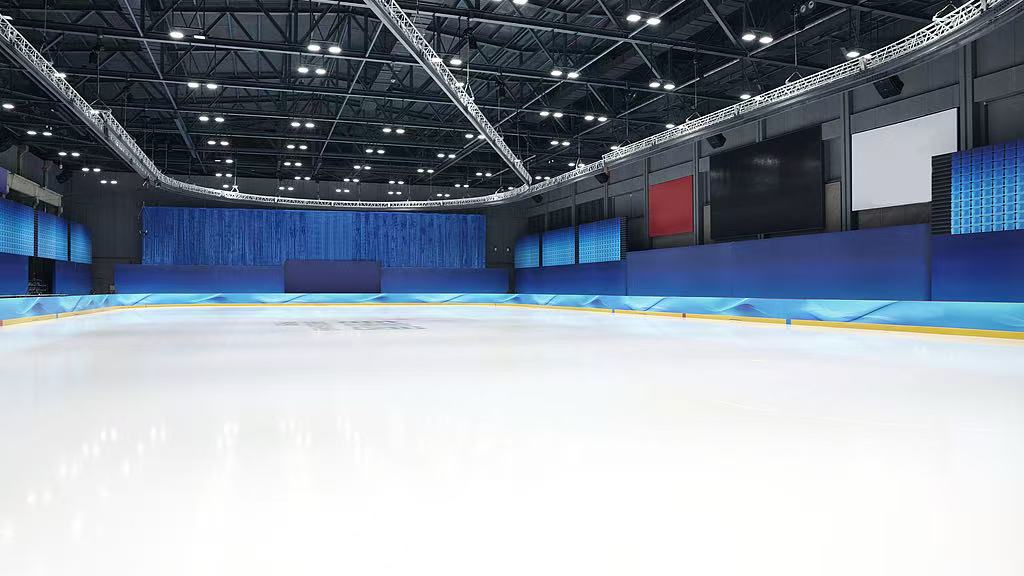
There is no reliable price based only on rink length and width. Cost changes with climate, ice build time, chiller duty, portable floor type, insulation, boards, skates, accessories, freight, local labor, power distribution, water, drainage, installation, commissioning, operation, removal, and storage. Rental may suit a one season event, while purchase may suit a venue that repeats the attraction. Ask for an itemized supply boundary and compare total project cost under the same site conditions rather than comparing one equipment price with a turnkey quotation.
The chiller must be selected from a heat load calculation, not a simple square meter rule. The engineer needs rink dimensions, target ice condition, freeze down time, ambient dry and wet bulb conditions, sun, wind, rain, ground construction, insulation, resurfacing water, skater load, operating hours, and coolant design temperatures. Capacity should be stated at the actual design conditions because nominal ratings can use warmer coolant or easier ambient conditions. Pumps, floor circuits, heat rejection, and controls must also match the selected refrigeration duty.
Yes, a refrigerated rink can operate in air above 0°C when the complete system is designed for the expected heat load. The practical limit depends on air temperature, humidity, solar exposure, wind, rain, base insulation, rink size, chiller reserve, and operating schedule. Direct sun or warm rain can be more demanding than the air temperature suggests. The proposal should state its design weather conditions and operating assumptions. Shade, wind protection, surface covers, and planned closures during severe weather may reduce risk and energy use.
Electricity depends on refrigeration load, chiller efficiency, pump and fan power, weather, insulation, ice thickness, operating hours, defrost or heaters, lighting, and maintenance practice. Freeze down usually creates a different load from normal holding. Request an electrical schedule that shows rated input, expected operating range, starting method, maximum protective device, voltage, phase, frequency, and all auxiliary loads. The venue electrician should check transformer capacity, cable length, distribution, grounding, weather protection, and generator needs before equipment ships. A nameplate figure alone is not a project energy estimate.
Freeze time varies with rink area, water depth, initial base and water temperature, refrigeration capacity, weather, floor design, and the required surface. Commercial ice is built in multiple thin layers rather than one deep pour. The schedule must also allow for leveling, system testing, base freezing, painting or branding, edge work, final layers, resurfacing, and operator training. Ask the supplier for a site specific commissioning sequence and weather assumptions. Opening the rink immediately after the last flood can leave soft or uneven areas under heavy traffic.
Outdoor rinks face solar radiation, wind, rain, leaves, rapid temperature swings, weatherproof electrical work, and more demanding drainage. Indoor rinks remove many weather risks but add humidity, fog, condensation, spectator heat, lighting load, and coordination with building ventilation. Both need a level base, correct insulation, balanced floor circuits, safe access, and enough refrigeration capacity. The site survey should record the actual environment rather than assuming an indoor rink is easy or an outdoor rink is impossible. Each creates a different design and operating problem.
Real ice offers the familiar glide, edge response, sound, cold atmosphere, and resurfacing process associated with skating. It requires refrigeration, water, power, drainage, installation time, trained ice care, and weather management. Synthetic panels avoid a refrigeration plant and can be installed in more locations, but skating resistance, blade wear, cleaning, and visitor expectations differ. The better choice depends on the experience promised, visitor skill, event duration, utilities, climate, staffing, and budget. Test the intended surface if skating quality is central to ticket sales.
Rental can reduce ownership responsibility for a first season, one off event, or short trial, especially when installation and support are included. Purchase becomes more attractive when the same rink returns for several seasons and the operator can store, maintain, install, and manage the equipment. Compare multi year totals, not only the first invoice. Include freight, labor, coolant, repairs, storage, insurance, technical support, and residual value. Also check availability early because popular winter dates can restrict rental choices even when the venue has budget approval.
Operators should inspect the ice, edges, boards, ramps, floor area, hoses, headers, coolant level, pumps, chiller, alarms, electrical protection, and drainage. The surface needs regular snow removal, patching, shaving or resurfacing, and controlled water application. Weather and visitor load determine how often. Staff should log ice condition, coolant temperatures, equipment status, water added, faults, and corrective actions. Outdoor sites also need plans for rain, leaves, sun, wind, and overnight protection. Maintenance access and trained staffing should be included in the project plan before opening.
Provide site address, indoor or outdoor location, rink dimensions, base construction and slope, installation and operating dates, daily hours, expected skaters, intended activities, climate data, shade and wind exposure, voltage, phase, frequency, available electrical capacity, water source, drainage, equipment placement, access route, noise limits, and photographs or drawings. State whether the quote should include floor panels, insulation, chiller, pumps, coolant, boards, skates, accessories, freight, installation, commissioning, training, operation, removal, and storage. Clear responsibilities make competing quotations much easier to compare.
