
A flake ice machine that breaks down in a busy fishing season can quickly become an expensive problem. Fish can lose quality, buyers may lower their prices, and a technician can take a long time to reach a remote or coastal site.
In tropical ports, the challenge is even greater. High heat, humidity, salty air and hard water all put extra stress on an ice-making system.
A good maintenance routine stops these problems before they become major repairs. Simple checks every day, week and month protect ice quality, improve machine performance and help the equipment last longer.
This guide explains how to maintain a flake ice machine, clean the evaporator drum, control scale and protect equipment in coastal and tropical areas.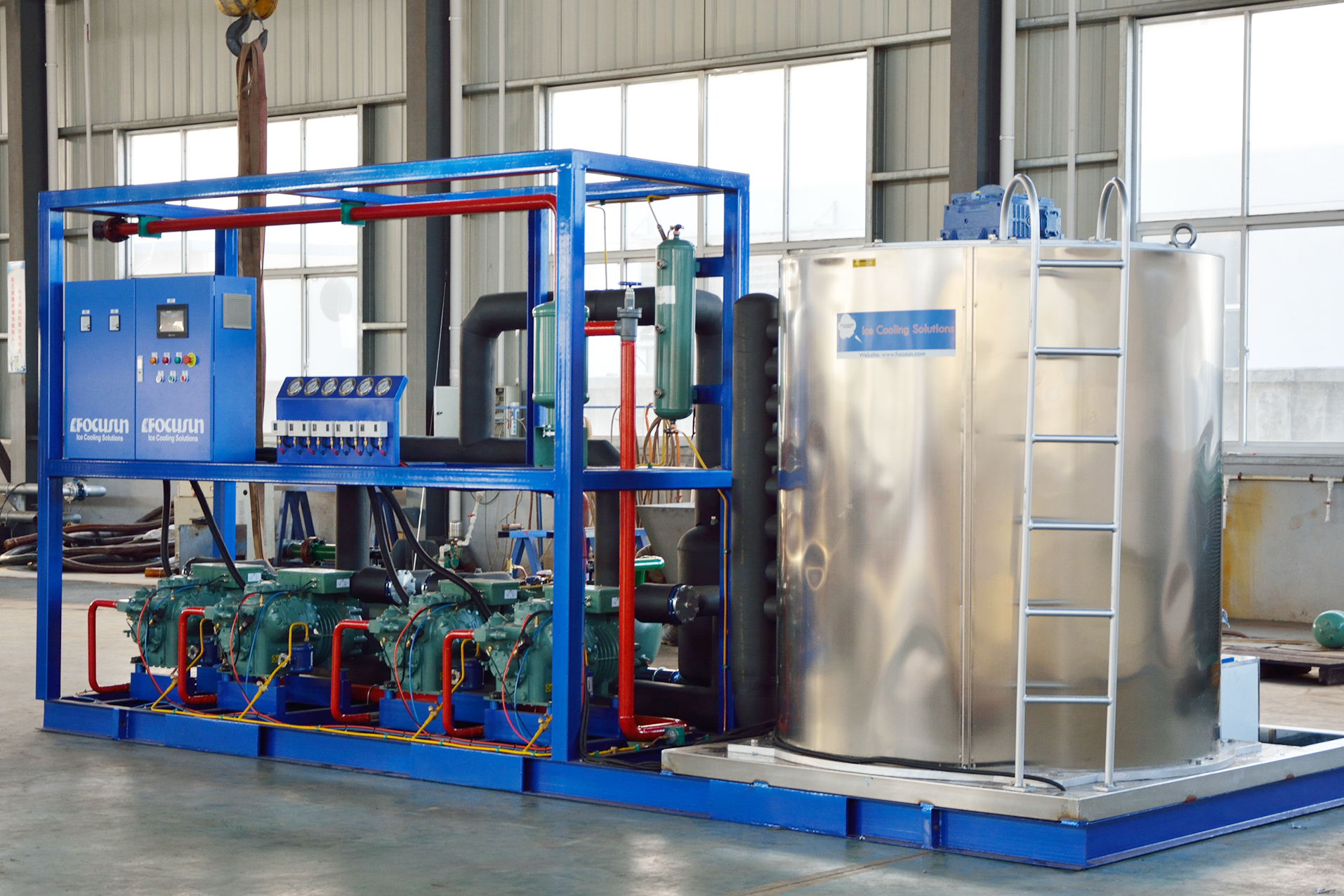
Flake ice machines near ports and fishing communities face several conditions that can affect performance.
Water quality has a direct effect on the evaporator drum. Borehole and river water can contain minerals such as calcium, magnesium and iron.
When water freezes on the drum, these minerals slowly build up on its surface and form scale. Heavy scale makes freezing less efficient and reduces ice production.
Equipment used near the sea is often exposed to water and salty air. The salt can stick to pipes, metal parts, panels, and electrical parts.
When salt and water stay on these parts, they can cause rust and damage, especially on metal and electrical connections.
A flake ice machine works harder in hot weather. If the condenser is covered with dust, sand or other dirt, heat cannot escape easily.
This lowers ice production and puts more load on the refrigeration system and compressor.
Daily checks are simple and only take a few minutes. They help you find small problems early and prevent bigger and more expensive repairs later. It is best to do these checks at the beginning of each work shift
Daily checks help you spot small problems early, but the machine also needs a more detailed deeper check in the important parts of the machine every week and month. These regular checks help keep the machine working properly, reduce breakdowns, and prevent expensive repair
The evaporator drum is one of the most important parts of a flake ice machine, because ice forms directly on its surface. Over time, dirt and hard deposits can build up on the drum and make it harder for the machine to freeze water properly. Keeping the drum clean helps the machine make ice properly and efficiently.
Always follow the cleaning instructions from the machine manufacturer first. In general, the process is as follows.
Step 1: Stop the machine completely, disconnect the power and lock the isolation so nobody can start it by mistake during cleaning.
Step 2: Clear ice from the drum and the storage area. Let the drum return to a suitable temperature before you start.
Step 3: Take out the water tray where applicable and rinse away loose dirt and deposits.
Step 4: Use a descaling product approved for food equipment and suitable for the machine materials. Follow the manufacturer’s instructions carefully. Never mix cleaning chemicals.
Step 5: Apply the recommended solution to the affected surfaces. Leave it for the time given on the product label.
Step 6: Use a soft brush or nylon pad to remove loose deposits. Do not use steel brushes, knives or other sharp tools. Scratches on the drum can cause corrosion and affect how ice releases.
Step 7: Rinse the drum several times with clean water until no trace of the cleaning solution remains.
Step 8: Clean and sanitize the water tray, water distributor and ice storage area using the correct cleaning procedure.
Step 9: Restart the machine as the manufacturer instructs. Discard the first batch of ice where the cleaning procedure requires it.
Safety note: Wear gloves and eye protection, and make sure the area has good ventilation. Do not use bleach or strong acids on stainless-steel parts unless the manufacturer confirms they are safe for that material.
The right interval depends mainly on your water quality and operating conditions. Use this as a general guide:
These are not fixed rules. If ice production drops or the flakes become thick or wet, inspect and clean the drum sooner.
Removing scale is important, but preventing it reduces your maintenance work.
If the machine is installed close to the sea, it needs extra care because salty air can cause rust. Salt can settle on the metal parts, bolts, frame and electrical parts, especially when the machine is working for long hours in a humid environment.
Stainless steel and good-quality protective coatings can handle salty environments better than normal steel. When buying a machine for a coastal area, check the material used for the drum, the coating and other exposed parts.
Wash the salt and dirt off the panels and frame with fresh water from time to time. If the paint is scratched or damaged, repair it as soon as possible to stop rust from spreading. Also check the bolts, brackets and other metal parts regularly.
Keep the control panel properly closed and protected from water and moisture. Check the cables and electrical connections from time to time. If you see green or white powder around them, it may be a sign that the parts are starting to corrode and need attention.
Nigeria’s coast, river ports and fishing communities often face several of these challenges at the same time.
Areas around Lagos and the Niger Delta have high humidity, salty air and long operating hours. Here, remove salt deposits regularly, protect electrical panels and inspect the condenser often to keep the machine reliable.
Some fish markets, cold rooms and processing sites depend on borehole water. Depending on the source, it can carry a lot of minerals or iron. A water test shows the risk. Where needed, add filtration and clean the evaporator drum more often to protect ice production and avoid scale problems.
|
Maintenance Task |
Recommended Frequency |
Main Purpose |
|
Check ice quality and gauges |
Daily |
Spot changes in performance early |
|
Clean and inspect water filter |
Weekly |
Keep water flowing and ice clean |
|
Clean condenser and exposed panels |
Weekly |
Stop overheating and salt damage |
|
Check oil, wiring and safety controls |
Monthly |
Reduce mechanical and electrical faults |
|
Clean evaporator drum |
Every 1–6 months, by water quality |
Control scale and keep freezing efficient |
|
Full technician inspection |
At least yearly |
Find major problems before they cause failure |
Book a professional service at least once a year. In hot, salty or dusty places, more frequent service may be needed.
A trained technician can check the refrigeration system, compressor, gearbox, seals, scraper blade, evaporator drum and safety controls.
Do not wait for the next service if the machine shows any of these warning signs:
Early attention can stop a small maintenance issue from becoming a major breakdown.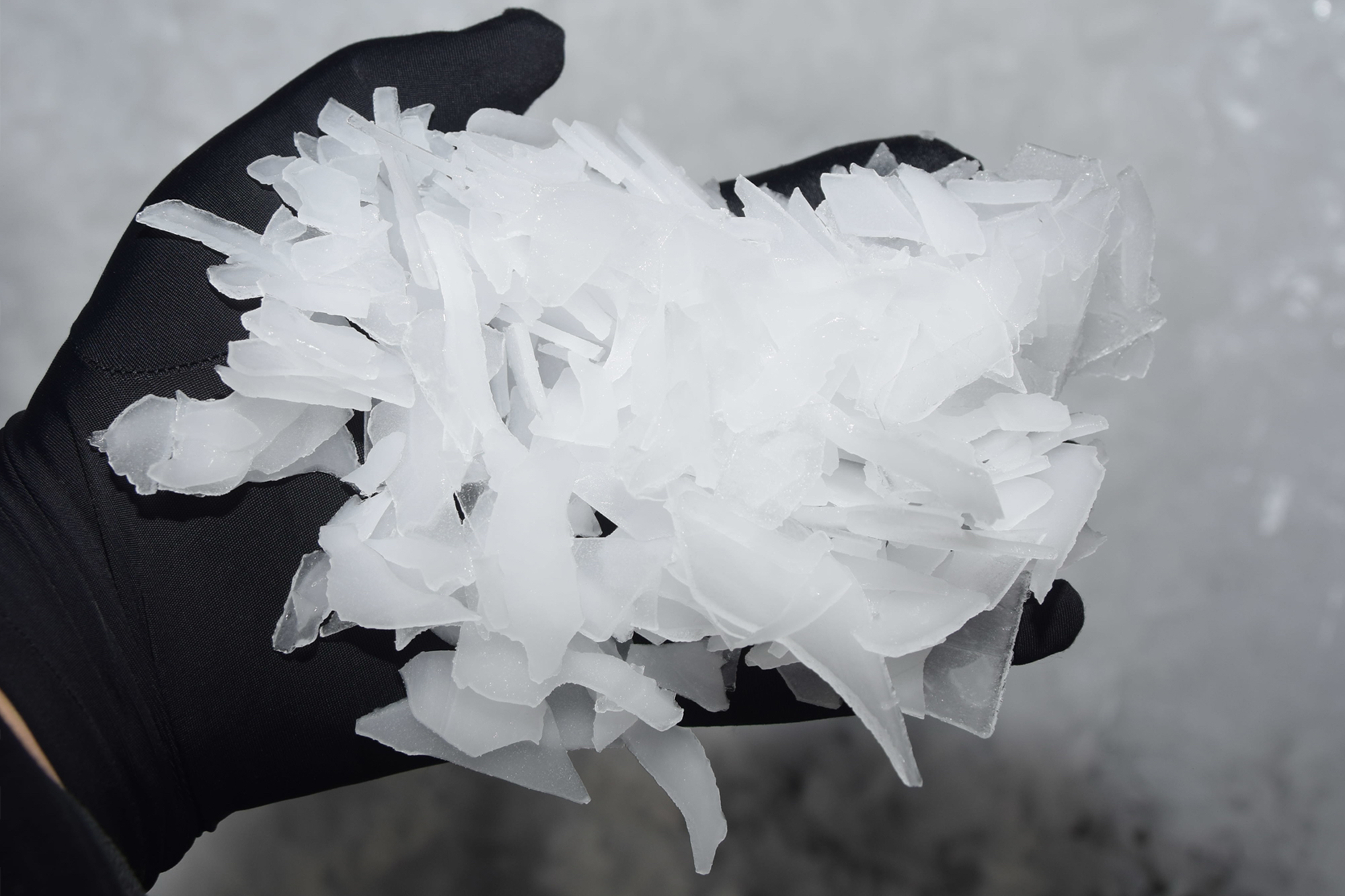
Keeping the evaporator drum clean and the water quality good. Both have a big effect on ice quality, production and machine efficiency.
Common signs are a white or grey deposit on the drum, lower ice production, thicker flakes and higher power use.
Yes, when the machine is well maintained and the water is suitable. Poor cleaning or contaminated water can harm ice quality.
Wash off salt with fresh water often, protect exposed metal, repair damaged coatings quickly and keep electrical panels sealed and dry. Corrosion-resistant materials give extra protection.
Regular maintenance is one of the simplest ways to avoid downtime and repair costs. But the right routine depends on your site: water quality, temperature, humidity, salt exposure and working hours all change how often your machine needs attention.
Are you running an agricultural cooperative, a logistics and cold-chain operation, or a fishery in a tropical port? Contact FOCUSUN’s engineering team for a free site load calculation. We will look at your real room temperature, water supply and daily ice demand. You will then get a clear recommendation for the right machine and storage capacity, plus a custom quote built around your operating conditions. Visit focusun.com today to book your free site load calculation and get your tailored quote.
