
A blast freezer and cold room can both operate below freezing, but they are not interchangeable. One removes product heat quickly; the other holds chilled or frozen inventory. Confusing those jobs leads to slow freezing, wasted energy, and inconsistent quality.
Ask how much product arrives, at what temperature, how fast its core must cool, and how long it will be stored—not simply which room gets colder.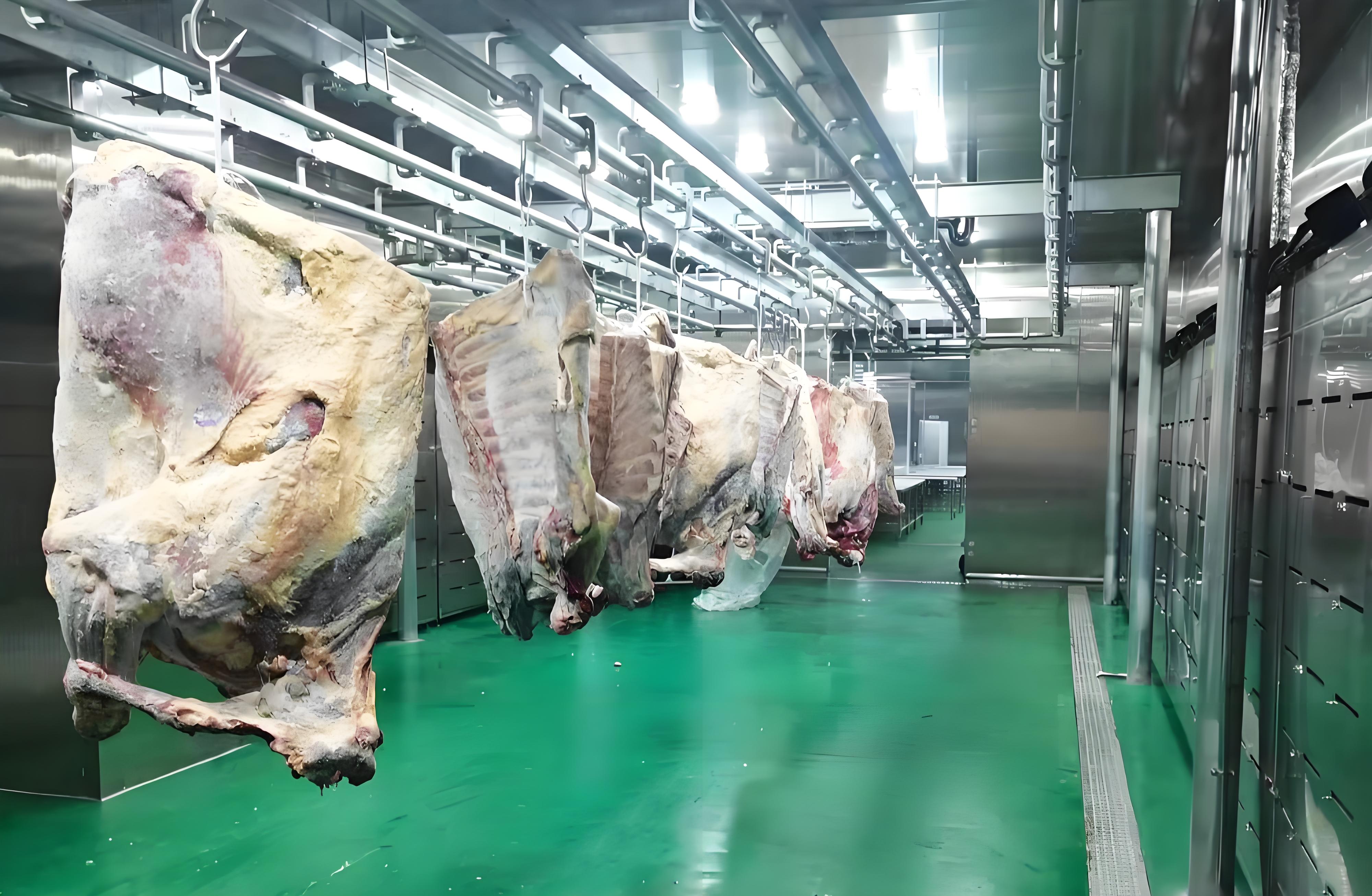
|
Decision factor |
Blast freezer |
Cold room |
Planning implication |
|
Primary job |
Remove product heat rapidly |
Maintain a stable storage temperature |
Separate processing load from holding load |
|
Product entering |
Chilled, cooked, or fresh product requiring rapid pull-down |
Product already near its storage temperature |
Incoming temperature changes refrigeration capacity |
|
Airflow |
High-velocity, directed airflow around each load |
Lower-velocity airflow for uniform storage |
Packaging and pallet layout must suit the airflow |
|
Operating pattern |
Batch cycles with defined core targets |
Continuous holding and frequent access |
Controls and staffing follow different routines |
|
Best role |
Initial chilling or freezing |
Inventory storage and dispatch |
Many food plants need both in sequence |
A low setpoint cannot replace airflow and refrigeration capacity. Using a blast freezer for long-term storage also ties up processing capacity.
A blast freezer drives cold air across product surfaces to remove heat and move the core through its freezing range within a controlled time. Faster freezing generally forms smaller ice crystals, reducing cell damage and moisture loss during thawing.
Focusun’s blast freezer range is intended for rapid pull-down applications such as seafood, meat, poultry, prepared foods, and selected bakery products. The final design depends on batch weight, product thickness, initial and target core temperatures, packaging, loading pattern, and allowable cycle time.
A blast freezer is production equipment: load a defined batch, place probes, run a validated cycle, confirm the core target, and unload it. Holding completed batches inside reduces throughput.
A cold room provides stable storage while offsetting heat through panels, floors, doors, lights, people, and product movement. Its layout must preserve circulation around racks and pallets.
The Focusun cold room collection covers storage configurations for different products and temperatures, while its guide to cold storage and delivery systems explains how receiving, holding, staging, loading, and transport should work as one process.
A storage room can remove limited product heat, but it may not freeze a large warm load on schedule. Excess warm cartons raise room temperature, warm existing stock, and extend compressor operation.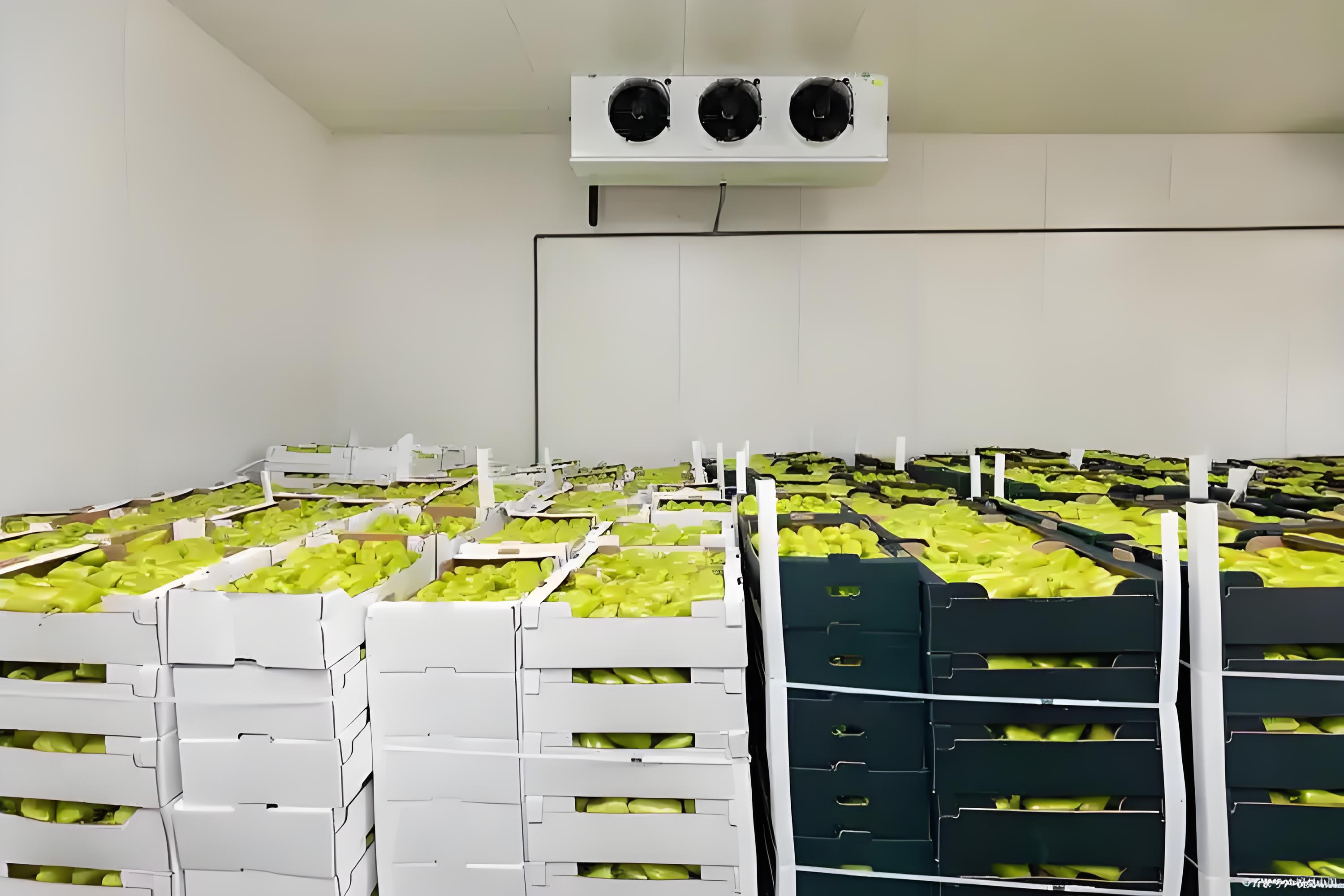
Cold-room capacity is selected around storage and door activity. Blast freezing adds a concentrated product load, while tightly stacked cartons can divert air around the product.
The display may show cold air while the pallet center remains warm. Products near the evaporator freeze first; inner cartons lag. Lowering the thermostat does not correct inadequate airflow or capacity.
Focusun’s walk-in cooler operation and buying guide is useful for understanding why insulation, equipment sizing, defrost, doors, and airflow must match the room’s actual job.
Many plants follow production or receiving, rapid pull-down, frozen storage, picking, and dispatch. The blast freezer protects processing speed; the cold room holds completed inventory without blocking the next batch.
Seafood, meat, and prepared-food plants benefit when warm production and dispatch happen at different times. Some porous products, bakery items, or leafy produce may use vacuum cooling before storage; products requiring freezing need an appropriate freezing stage.
Warm docks, long trolley routes, open doors, and uncooled staging can undo good design. Map the full product route before sizing rooms.
Blast-freezer sizing needs product type, batch weight, dimensions, packaging, loading method, incoming and target core temperatures, and cycle time. Thin fillets behave differently from boxed poultry.
Cold-room sizing needs inventory, turnover, storage time, incoming temperature, door activity, lighting, racking, ambient conditions, and redundancy. Focusun’s seven cold-room selection factors provide a starting checklist.
Air needs return paths and evaporators need service clearance. Pallets that block discharge air can defeat an otherwise good layout.
Use calibrated probes to confirm core temperature. Air cools faster than the product, and probe location, size, loading density, airflow, defrost, and packaging affect the curve.
Set targets from the product specification, food-safety plan, and local rules. Record batch identity, time, core temperatures, alarms, and deviations. Cold rooms also need monitoring and a power-failure plan.
A blast freezer needs concentrated refrigeration, airflow, controls, and fast handling. A cold room may be larger and continuous, making insulation, doors, floor, defrost, and workflow central to lifetime cost.
Compare quotations with the same product load and performance guarantee. Ask whether the scope includes insulated panels, floor, refrigeration equipment, controls, probes, racking interface, drainage, electrical work, commissioning, training, spare parts, remote monitoring, and backup strategy. The cheapest room can be expensive if it misses the required pull-down time or consumes excessive power.
Projects needing fast deployment can also evaluate the containerized cold room range, but transportability does not remove the need for correct load calculations and site utilities.
Choose a blast freezer when rapid, repeatable removal of product heat is part of production. Choose a cold room when the job is stable storage and dispatch. Choose both when warm product must be frozen quickly and then held without occupying the processing equipment.
For a project recommendation, send the product type, batch and daily volume, incoming and target core temperatures, required pull-down time, storage quantity, site climate, power supply, and layout through the Focusun project enquiry page.
A blast freezer is processing equipment designed to remove heat rapidly from a defined batch until the product reaches a specified core temperature. A cold room is storage equipment designed to keep chilled or frozen inventory within a stable temperature range. The distinction is load and time, not simply the thermostat setting. Blast freezers use high airflow and concentrated refrigeration capacity; cold rooms prioritize uniform holding, access, and energy-efficient storage. Many factories use the blast freezer first and transfer finished product to a separate cold room.
Only if the cold room was specifically engineered and validated for the required pull-down load. A normal storage room may reach a low air temperature while the center of cartons or pallets remains too warm. Its evaporator, compressor, airflow, and defrost system may not handle a large warm batch quickly. Lowering the setpoint does not create blast-freezing capacity. Before using a room this way, provide the supplier with product weight, packaging, initial and target core temperatures, loading arrangement, and required time, then request a guaranteed performance calculation.
There is no single correct air temperature for every product. The required setting depends on food type, thickness, packaging, batch weight, incoming temperature, target core temperature, cycle time, and equipment airflow. The important acceptance value is the product core result achieved under a validated cycle, not the lowest air reading on the display. Use the product specification, food-safety plan, local regulation, and equipment manufacturer’s instructions. Record probe readings during commissioning and repeat validation when product size, packaging, loading density, or recipe changes.
Blast-freezing time can range widely because heat must travel from the product center to the surface before the airflow removes it. Thin fillets or small portions freeze much faster than dense cartons, whole poultry, or tightly loaded pallets. Packaging, spacing, initial temperature, fan velocity, evaporator performance, frost buildup, and door openings also matter. A supplier should calculate and then verify the cycle with product probes. Avoid choosing equipment from a promise such as “freezes in two hours” unless the quoted product, batch, loading method, and core target match your operation.
They usually perform different stages. A blast freezer is better when fresh meat or seafood must be frozen rapidly to protect texture, reduce large ice-crystal formation, and keep production moving. A frozen cold room is better for holding completed cartons or pallets until processing, sale, or dispatch. If products arrive chilled and will be sold quickly without freezing, a chilled cold room may be sufficient. The correct setup depends on species or cut, packaging, daily throughput, incoming temperature, required shelf life, and whether the product will be distributed chilled or frozen.
Price depends on dimensions, product load, required pull-down time, temperature, ambient climate, insulation, floor, refrigeration system, refrigerant, controls, doors, racking interface, electrical supply, monitoring, shipping, and installation. Blast freezers often have higher refrigeration and airflow capacity for their size, while cold rooms may require more panel area and continuous operating energy. Ask for a complete project quotation with performance assumptions, utilities, commissioning, training, and spare parts. Comparing room price alone can hide major differences in capacity, scope, and lifetime operating cost.
A blast freezer normally draws more power during an active batch because it removes a large amount of product heat quickly and runs high-velocity fans. A cold room has a lower processing load but may operate continuously throughout the year. Total energy therefore depends on batch frequency, stored volume, insulation, door activity, ambient temperature, defrost, fan control, and equipment efficiency. Compare kilowatt-hours per kilogram frozen for the blast freezer and kilowatt-hours per stored tonne-day for the cold room. Those metrics are more meaningful than comparing compressor nameplate power.
Blast-freezer sizing starts with maximum batch weight, product dimensions, packaging, initial and target core temperatures, loading pattern, and required cycle time. Cold-room sizing starts with maximum inventory, daily incoming load, storage duration, room geometry, door openings, people, lights, ambient conditions, and product entry temperature. Both calculations must include transmission, infiltration, fan, defrost, and safety allowances appropriate to the project. Cubic meters alone are not enough. Give the supplier drawings and a realistic operating schedule so refrigeration capacity and airflow can be calculated together.
You usually need both when warm or chilled product must be frozen rapidly and then stored for later shipment. The blast freezer handles one batch at a time and should be cleared for the next load; the frozen cold room holds completed inventory efficiently. One combined room may be possible for small or irregular operations, but it must be designed around the peak pull-down load and storage workflow. Compare production schedule, batch overlap, dispatch frequency, available space, backup requirements, and the cost of downtime before deciding whether to combine or separate the functions.
Provide the product name, composition where relevant, packaging, piece and carton dimensions, maximum batch and daily volume, initial and target core temperatures, required pull-down time, storage quantity and duration, operating hours, and loading method. Add site ambient temperature, power supply, available dimensions, floor and drainage conditions, door access, refrigerant preference, monitoring requirements, and backup-power plan. Photos and layout drawings help identify airflow and handling constraints. These details let the supplier price a system against a defined result instead of quoting only a room size and air-temperature setpoint.
