Categories
Plate Ice Machine: A Multi-Functional Refrigeration System with Unique Features
Aug 12th,2025
248 Views
Within the vast family of refrigeration equipment, plate ice machines, with their unique advantages, play an indispensable role in numerous industries. The plate ice they produce possesses a series of properties that distinguish it from other types of ice, making it widely used in ice storage systems, concrete mixing plants, chemical plants, mine cooling, vegetable preservation, and aquatic product insulation on fishing vessels. 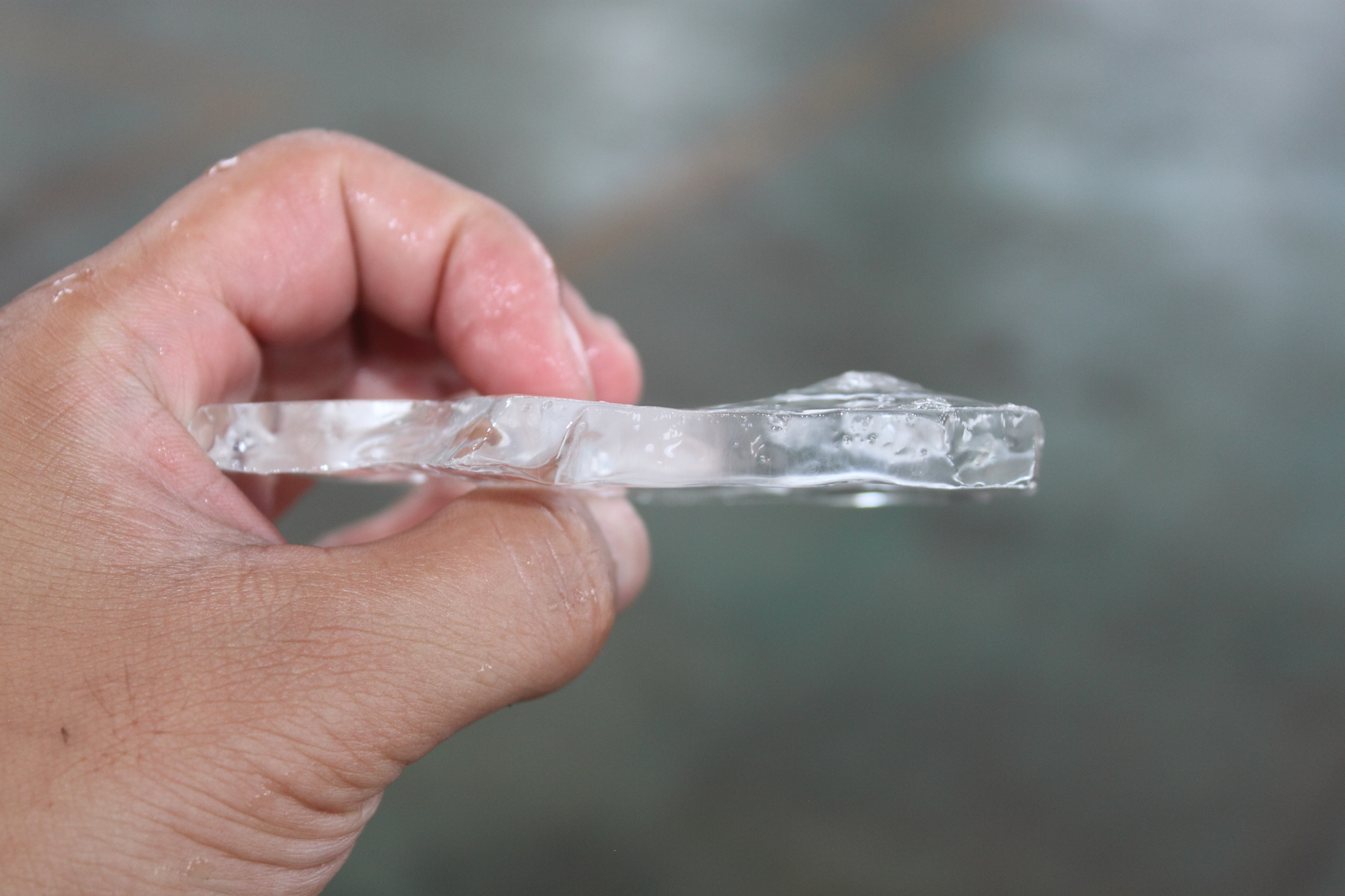 Compared to flake ice, plate ice is a transparent crystal with a smaller surface area and a dry, powder-free texture, which allows it to cool longer and resist melting. While flake ice provides rapid cooling and a large contact area with the product, it also melts relatively quickly. These characteristics make plate ice advantageous in applications requiring prolonged low temperatures. For example, in aquatic product insulation on fishing vessels, plate ice provides long-lasting and stable low-temperature protection for caught fish, shrimp, and other aquatic products, preventing spoilage and ensuring their freshness during transportation. Plate ice typically has a thickness of 10-16mm and sizes ranging from 30×40mm to 60×100mm. Both thickness and width can be adjusted to suit different applications. In concrete mixing plants, the addition of plate ice effectively controls the temperature rise caused by hydration heat during the mixing process. Especially during hot summer months, when excessively high temperatures can affect concrete performance, plate ice quickly absorbs heat, lowering the concrete's initial temperature, ensuring its stability and strength, and reducing quality issues such as cracks.
  In chemical plants, many chemical reactions require a specific low-temperature environment. The low-temperature plate ice provided by plate ice machines meets this requirement, providing stable temperature conditions for chemical production processes, ensuring smooth reactions and ensuring product quality. Mine cooling is also a key application for plate ice machines. Underground mines are complex environments with often high temperatures, which can be detrimental to miners' work and health. Using plate ice produced by plate ice machines can effectively lower the temperature within mines, improving the working environment, safety, and efficiency. For vegetable preservation, plate ice can create an ideal low-temperature, high-humidity environment, reducing water loss, inhibiting microbial growth, and extending the shelf life of vegetables, preserving their freshness and flavor. In an ice storage for cooling system, a plate ice machine produces and stores ice during the nighttime, when electricity prices are low. During peak daytime electricity demand, the melted ice releases cooling energy to meet cooling needs for air conditioning and other equipment, achieving peak-load shifting and valley-loading. This not only alleviates power grid pressure, but also reduces electricity costs and improves energy efficiency.
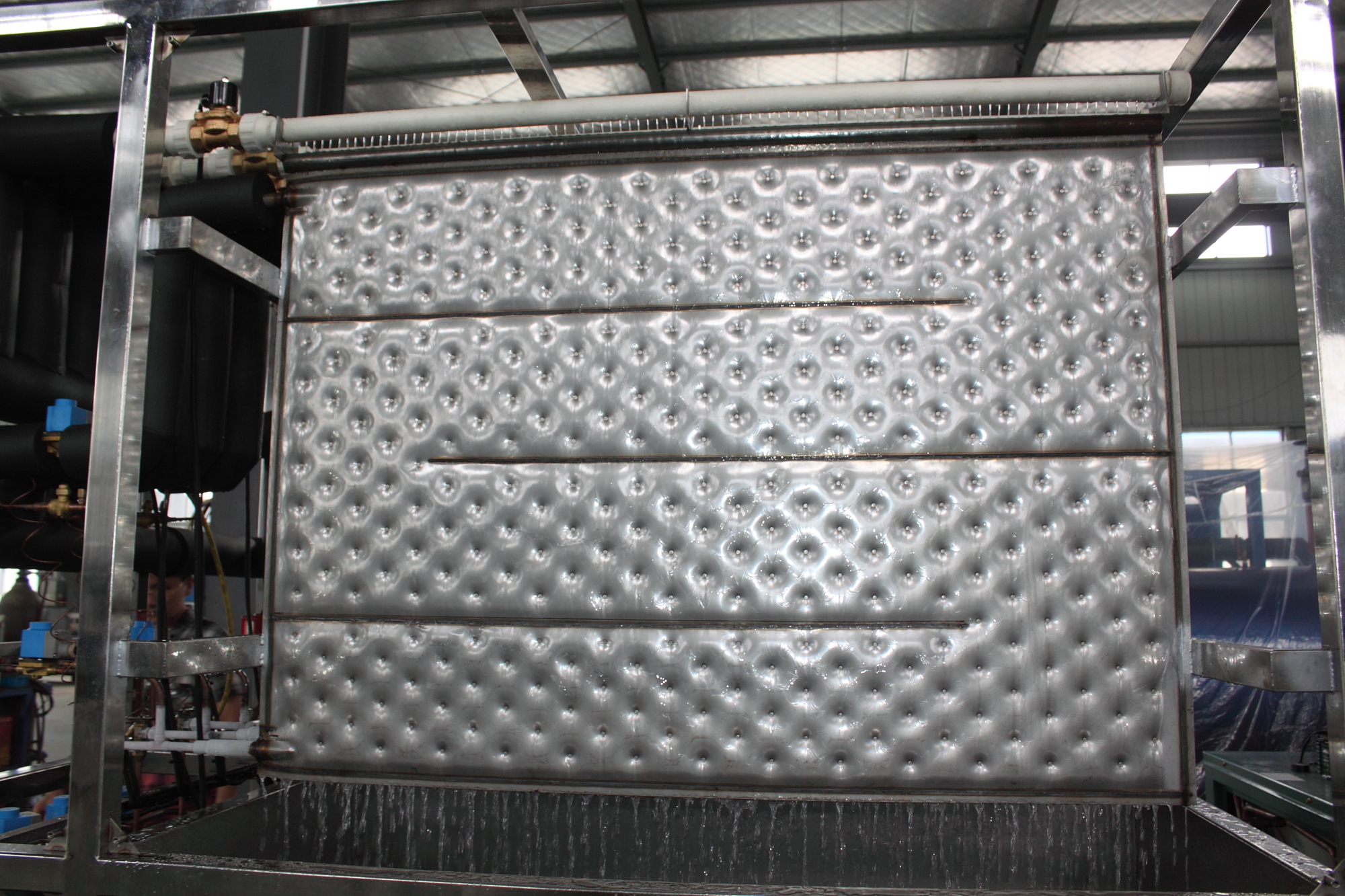
 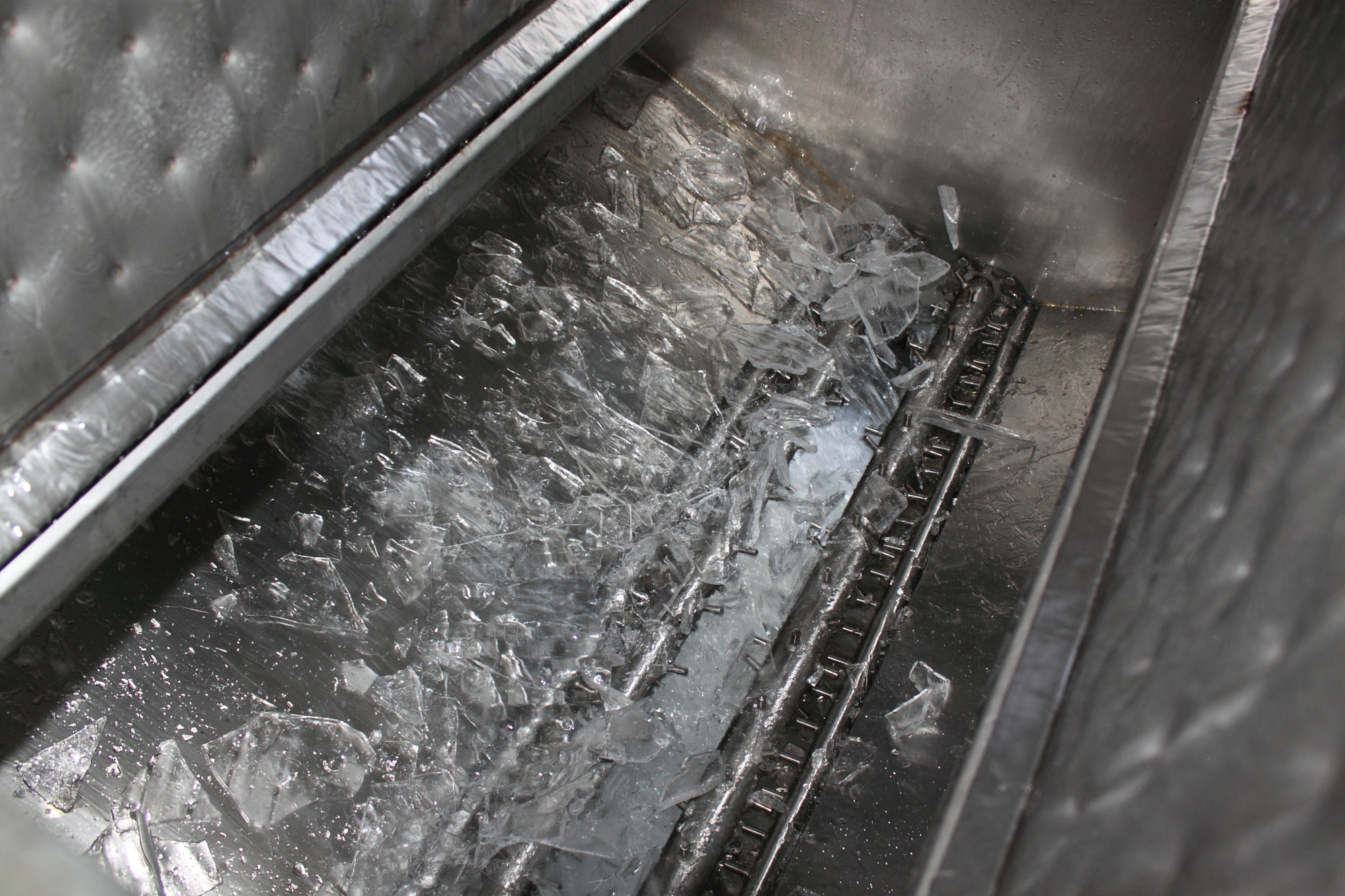 Plate ice machines typically feature efficient and stable refrigeration systems. Some utilize SUS304 stainless steel or aluminum alloy plate-type evaporators, meeting hygiene and safety requirements. They can also accommodate various cooling methods, including air and water cooling. The ice-making process can be fully automated, requiring minimal manual intervention. Some equipment also incorporates energy-saving features, such as de-icing water and using the lower-temperature water for ice making, saving energy and increasing ice production. With its unique ice-making characteristics and efficient equipment performance, the plate ice machine has solved the problems of refrigeration, cooling, and preservation for many industries. It is a powerful assistant for various industries to improve production efficiency and ensure product quality.

