
The fast growth of GLP-1 medicines has put an old cold chain problem under a brighter light. Distributors, hospitals, specialty pharmacies, and regional warehouses may hold a large value of temperature sensitive stock in one room, yet a single warm corner or freezing air jet can still damage a batch.
The practical lesson is simple. A pharmaceutical cold room must be designed around the approved storage label, mapped operating conditions, and a documented response to failure. A refrigeration unit by itself does not make a facility compliant. This guide explains the questions a buyer should settle before requesting a proposal for chemical and medical cooling.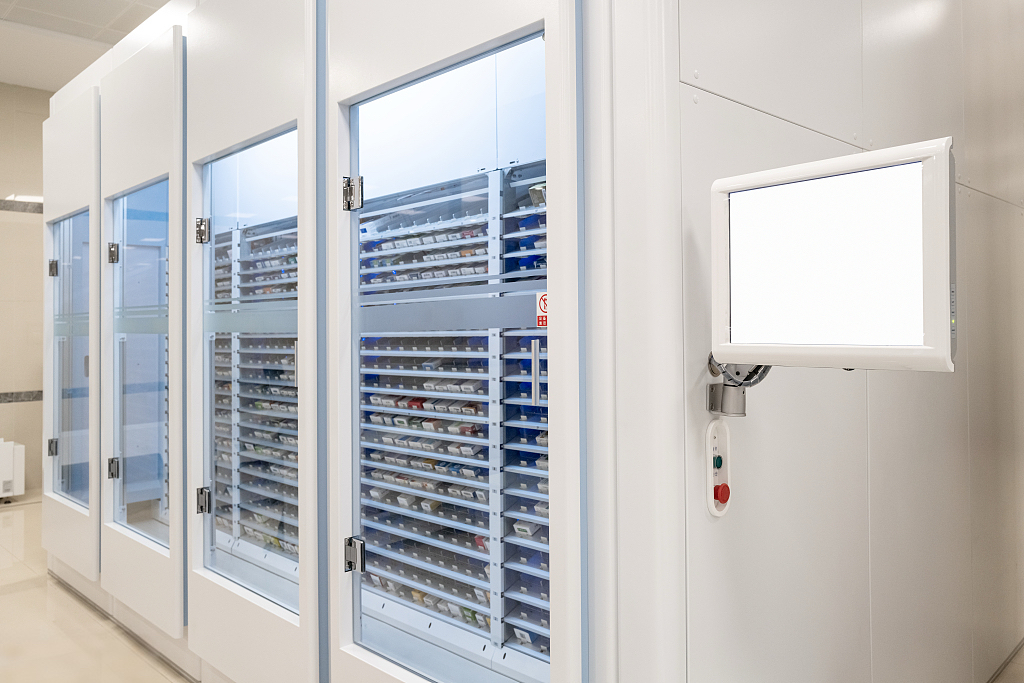
Do not begin with a generic room setpoint. List every medicine, its approved storage range, light sensitivity, freezing restrictions, packaging format, and maximum inventory value. Some products may be kept under refrigerated conditions, while others require frozen or controlled room temperature storage. The label and local regulatory requirements govern each product.
If products have different conditions, create separate zones or procedures. Quarantined, returned, recalled, and released stock should not be mixed. The required segregation affects room dimensions, doors, shelving, access control, and monitoring long before the cold room is ordered.
A pharmaceutical room usually receives products that are already conditioned, but the system still has to handle door openings, people, lights, fans, infiltration, defrost, and heat through the insulated envelope. Incoming pallets at a higher temperature can change the load sharply.
Provide peak pallet intake, product and packaging mass, arrival temperature, loading duration, door traffic, room dimensions, ambient design temperature, and allowed recovery time. The cold room refrigeration load guide explains why volume alone cannot determine capacity. Select the refrigeration unit from performance data at the actual room and outdoor conditions, not only its nominal rating.
One control sensor cannot show what happens across a loaded room. Air near an evaporator may be colder than air by the door, at the ceiling, behind dense pallets, or in a weak return path. Temperature mapping records these differences in three dimensions and identifies the locations most likely to become hot or cold.
Map the room under a written protocol before routine use. Include representative operating conditions, door activity, defrost, alarms, and power recovery. Seasonal mapping may be needed when summer and winter conditions differ materially. Repeat mapping after changes to shelving, airflow, insulation, controls, room use, or refrigeration capacity.
Place calibrated monitoring sensors according to the mapping results. The refrigeration controller manages equipment, while an independent monitoring system creates the storage record and alerts responsible staff. Those functions should not depend on one sensor or one power source.
Define alert and action limits, notification routes, response times, data retention, user access, and review responsibilities. Alarm delay can prevent nuisance alerts from a brief door opening, but it must not hide a real excursion. Records should show what happened, when it happened, who responded, and how the stock decision was made.
Cooling harder is not safer. Refrigerated medicines that must not freeze can be exposed to local subzero air even while the room average looks acceptable. Keep cartons away from evaporator discharge, cold walls, floors, and any location identified as a cold spot.
Use shelving clearances and load lines to preserve supply and return airflow. Avoid placing a high pallet directly in front of the evaporator or stacking cartons against monitoring probes. Door discipline, strip curtains where appropriate, correct defrost, drainage, and stable humidity also reduce frost and condensation. The Focusun guide to cold room humidity control covers these building and operating causes.
High value stock needs a written contingency plan before the first delivery. Decide how long the closed room can remain within limits, what generator capacity is available, which loads receive emergency power, and how staff will be notified after hours. Test automatic transfer and fuel arrangements under load.
For critical inventory, buyers often consider duty standby refrigeration, spare sensors, remote alarms, or a qualified alternate storage location. The right level depends on product value, permissible excursion time, service response, and local rules. A containerized cold room may provide temporary capacity or a separate quarantine zone, but it also needs qualification, monitoring, security, and backup power.
Cold chain breaks often happen at the door rather than inside the room. Define where shipments wait, how temperature evidence is reviewed, how quickly pallets move into storage, and what happens when a package arrives with an alarm or damaged insulation. A cooled staging area may be necessary when receiving volumes are high.
Use FEFO stock rotation where expiry dates govern dispatch. Limit access to trained staff and record movements. The cold storage and delivery system guide helps connect receiving, storage, picking, staging, and transport instead of treating the room as an isolated box.
|
Information |
What to provide |
Why it matters |
Evidence to request |
|
Product profile |
Label ranges packaging and inventory value |
Defines zones and risk |
Design basis and exclusions |
|
Operating load |
Peak pallets entry temperature and door traffic |
Determines capacity |
Heat load calculation |
|
Site conditions |
Ambient range power and equipment location |
Affects performance |
Rated duty at design conditions |
|
Quality controls |
Mapping alarms records and access rules |
Supports qualification |
Sensor and control schedule |
|
Resilience |
Generator standby duty and response plan |
Limits excursion risk |
Failure sequence and recovery plan |
A comparable quotation should identify panels, floor, doors, evaporators, condensers, controls, monitoring interfaces, alarms, redundancy, installation, commissioning, training, and documents. Send product ranges, room layout, workflow, climate data, and power information through the Focusun contact page. Your quality team should approve the final requirements and qualification plan for the destination market.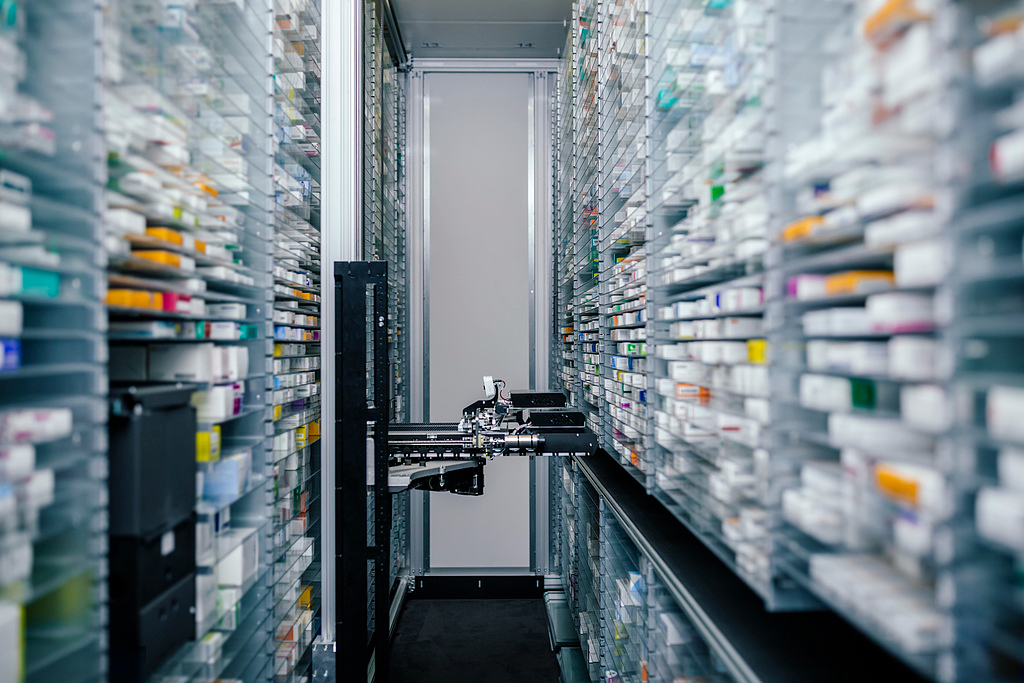
Use the storage range printed in the approved label for each medicine and market. Many temperature sensitive products are distributed under refrigerated conditions, but it is unsafe to assume that every GLP-1 product has the same limits or the same permitted time outside refrigeration. Set the operating band tightly enough to prevent crossing the approved limits during normal cycling, defrost, loading, and door opening. Confirm the final setpoint, alarms, and excursion procedure with the responsible pharmacist or quality unit before saleable stock enters the room.
Products whose labels state that they must not be frozen require protection from local cold spots as well as from an incorrect setpoint. A carton beside an evaporator outlet, cold wall, or floor can see a lower temperature than the room average. Temperature mapping should identify these locations, and shelving or load lines should keep stock away from them. If freezing is suspected, quarantine the affected stock and follow the manufacturer and quality procedure. Do not release it merely because the room later returned to its normal range.
Temperature mapping is a standard way to demonstrate how temperature varies throughout a storage space and to identify representative monitoring points. The protocol should cover the room layout, sensor positions, door activity, defrost, expected loads, alarm tests, and acceptance criteria. Mapping is normally completed before routine use and repeated when a material change could alter airflow or heat load. Seasonal studies may be appropriate where ambient conditions vary widely. A single controller display cannot replace mapping because it reports only one location.
There is no responsible universal answer based only on floor area. Mapping results, room geometry, rack height, evaporator position, doors, airflow, and product risk should determine the number and placement of monitoring sensors. At minimum, the arrangement must detect the qualified hot and cold regions that matter to stored products. Sensors also need calibration, protection from accidental movement, and a documented location plan. Adding many poorly placed probes is less useful than using enough calibrated probes at positions justified by the mapping study.
Keep the door closed where safe, note the failure time, confirm that alarms were received, and activate the approved backup or transfer plan. Continue recording temperature independently if the main controller loses power. When power returns, document the maximum and minimum temperatures, excursion duration, recovery, and affected stock locations. Quarantine any inventory that may have left its approved conditions. The responsible quality professional should use label information, stability evidence, and manufacturer guidance to decide whether the stock can be released. Equipment recovery alone does not settle product disposition.
The answer depends on inventory value, product stability, local regulation, service availability, climate, and the time a room can hold temperature after failure. High risk facilities often consider duty standby compressors or units, backup power, spare critical sensors, remote alarms, and a qualified alternate storage location. Redundancy must be engineered and tested; two units that share one failed electrical panel may not provide useful protection. A risk assessment should define the required recovery time and show how each credible failure will be detected and managed.
A containerized room can provide fast deployment, temporary capacity, quarantine storage, or a solution for a site with limited building work. Suitability still depends on the product label, insulation, refrigeration duty, airflow, access control, monitoring, alarm communication, backup power, and local qualification requirements. Check solar exposure and condenser ventilation because containers can face severe outdoor conditions. The room should be mapped and commissioned in its final location. A factory tested container is useful, but transport and site installation can change the operating environment.
Calibration frequency should follow the quality system, manufacturer recommendations, instrument stability, risk assessment, and applicable regulatory requirements. The interval is commonly defined in a written schedule rather than chosen informally by an operator. Calibration should be traceable to recognized standards and cover the working range used in the room. Keep certificates, serial numbers, locations, due dates, and out of tolerance investigations. A logger that has passed its due date should not be assumed accurate. Review what product decisions relied on it if later calibration finds a significant error.
Cost depends on usable volume, temperature range, ambient climate, insulation, floor, doors, shelving, refrigeration capacity, redundancy, monitoring, alarms, access control, backup power, installation, and qualification support. A small room protecting high value medicines may need more controls than a larger food room. Compare quotations against the same design basis and separate equipment supply from local electrical work, construction, commissioning, mapping, and validation. A supplier cannot give a reliable project price from room dimensions alone; the product risk and operating workflow are equally important.
Provide the approved storage ranges, product packaging, pallet and carton quantities, maximum inventory, room dimensions, rack layout, peak receiving volume, entry temperature, door schedule, ambient conditions, voltage, frequency, backup power, and equipment location. State the required monitoring, alarms, data retention, access control, redundancy, and qualification responsibilities. Include site drawings and loading routes. Ask each supplier to return a heat load calculation, equipment duty at design conditions, airflow plan, control sequence, failure response, installation boundary, commissioning scope, documentation list, and exclusions so prices can be compared fairly.
