Categories
Is a flake ice machine the best choice for freezing and chilling food in supermarkets?
Nov 17th,2025
295 Views
Nowadays, "freshness" and "safety" have become top priorities for consumers when making purchases. To cater to these core demands, supermarkets are sparing no effort to upgrade their fresh produce sections—especially for fish, meat, fruits, and vegetables. Keeping these items visually appealing, vibrant, and fresh for longer has become a key focus for supermarket operators.Among the various preservation solutions available, choosing the right type of ice plays a pivotal role. You may have noticed that an increasing number of supermarkets are now using "flake ice machines," which produce thin, snowflake-like ice flakes. Why is this the case? Put simply, flake ice machines are often the ideal preservation assistant for supermarkets in most scenarios.But what specific advantages do they hold? Compared to the common block ice or crushed ice, what makes flake ice uniquely superior? Let’s explore this in detail.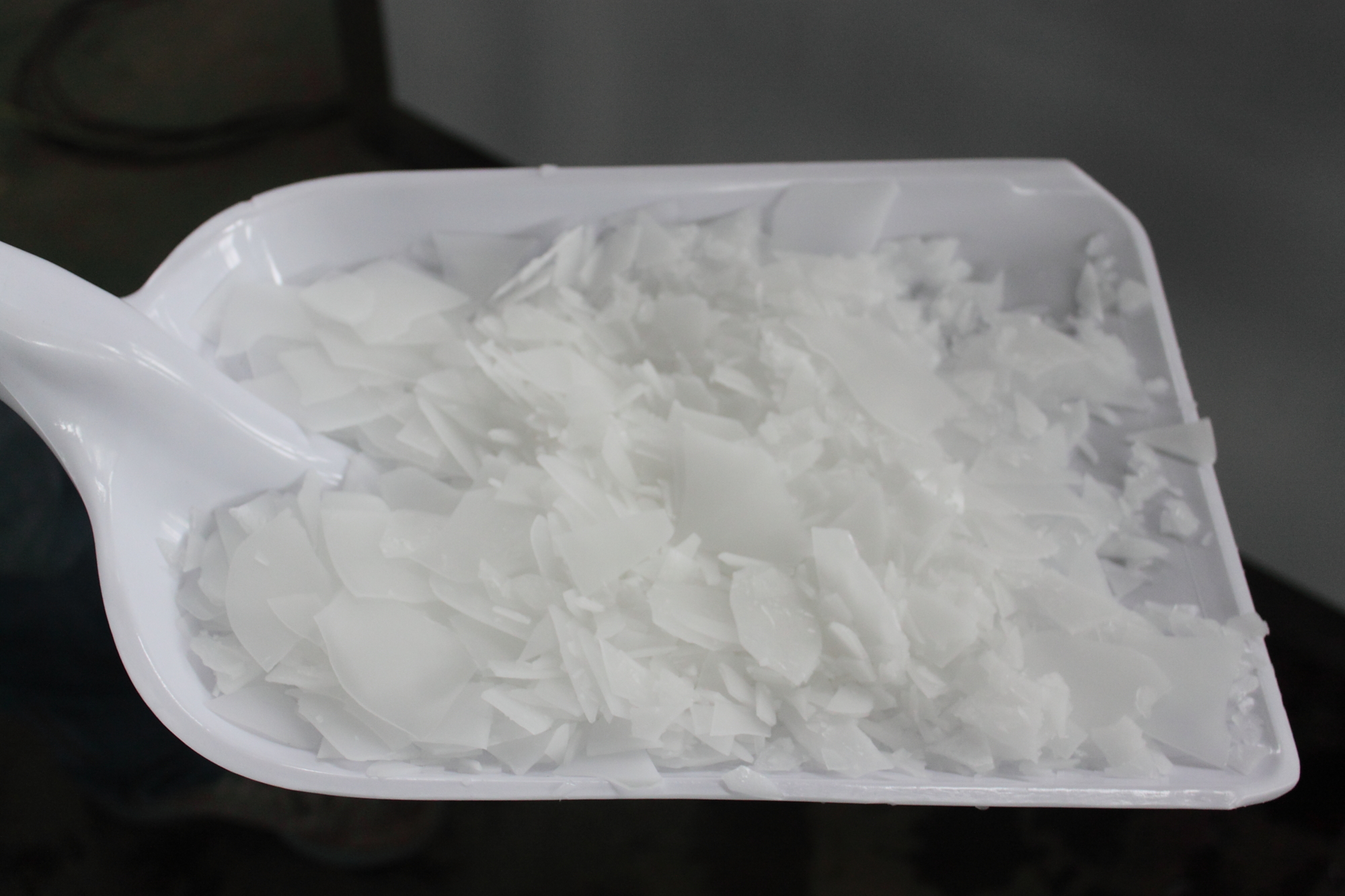 I. Characteristics of Flake Ice and its Applicability in Supermarket ScenariosFlake ice is a thin sheet of ice, typically 1.8–2.2 millimeters thick. It is soft, snowflake-like, does not damage food, and will not injure the hands of operators.In specific applications such as seafood displays, refrigerated meat counters, and fruit and vegetable preservation areas in supermarkets, flake ice exhibits the following outstanding characteristics:1. Excellent Coverage and Tight AdhesionFlake ice is thin and soft, allowing it to adhere tightly to the food surface. This provides a large contact area, even cooling, and better preservation than block ice or crushed ice.2. Slow Melting and Longer PreservationFlake ice operates at around -5 degrees Celsius and contains little moisture, resulting in slow melting. This allows it to maintain a low temperature for an extended period, preventing food spoilage due to water absorption.3. Gentle on Food and HandsFlake ice has a smooth surface without sharp edges. It won't scratch the appearance of fish and meat, and it's safer for staff to handle.4. Energy and Labor SavingsFlake ice machines produce ice quickly and consistently, and the machines themselves are energy-efficient. Furthermore, they are easy to use, reducing the manpower and time required for daily ice making and handling.These four points essentially cover the main needs of supermarkets in the fresh food preservation process.II. Comparative Analysis of Flake Ice, Square Ice, and Crushed IceSupermarkets can also choose square ice machines, granular ice machines, or crushed ice equipment, but these methods have certain limitations in practical use:1. Square ice is large and difficult to conform to products.Square ice has a regular shape and high hardness, making it difficult to evenly cover food, resulting in uneven cooling and wasted space.2. Crushed ice has sharp edges and can easily damage products.Crushed ice has sharp edges and can easily scratch the surface of aquatic products such as fish and shrimp, affecting the appearance of the products.3. Low utilization rate of ice storage space.Square ice and crushed ice have a high bulk density, resulting in less usable ice in the same storage space, indirectly increasing costs.4. Inconvenient manual operation.Flake ice is easy to grab and spread, while square ice and crushed ice often require additional handling, increasing the workload.Considering the actual usage effect and cost-effectiveness, flake ice is more suitable for the daily operational needs of supermarkets and is therefore gradually becoming the mainstream choice in the industry.
 III. The Comprehensive Value of Ice Flake Machines in Supermarkets: More Than Just Preservation, They're a Sales BoosterThe role of flake ice machines extends beyond maintaining low temperatures; it directly impacts sales performance and customer experience:1. Enhancing Product Appearance and Stimulating Purchase DesireThe fresh appearance of seafood is key to attracting customers. Flake ice allows food to be displayed in a moist, natural state, preventing discoloration or softening due to temperature fluctuations.2. Extending Product Display Time and Reducing Loss RatesLoss of fresh produce is one of the main costs in supermarket operations. The long-lasting freshness preservation capabilities of flake ice help reduce product spoilage and increase overall gross profit.3. Ensuring Food Safety and ComplianceWith increasingly stringent food safety regulations, supermarkets need to ensure that seafood, fresh meat, and other products are kept at safe low temperatures throughout the entire process. Flake ice provides a stable and economical temperature control method.4. Saving Labor and Operating CostsFlake ice machines feature automatic ice dispensing and stable output, reducing manual ice breaking and handling, saving significant daily working time.IV. How Should Supermarkets Choose Flake Ice Maker Capacity? When determining the specifications of flake ice machines, supermarkets can refer to the following suggestions (specific requirements should be considered based on the actual area and business volume):· Small supermarkets/community stores: 300–500 kg/day· Medium-sized supermarkets: 500 kg–1 ton/day· Large supermarkets: 1–3 tons/day· Supermarkets with large seafood processing areas: 3–5 tons/dayIf there are multiple display and processing areas, the ice production capacity should be increased accordingly.V. Four Key Parameters to Consider When Purchasing a Flake Ice Making MachineDuring the equipment selection process, it is recommended to focus on evaluating the following aspects:1. Compressor BrandIt is recommended to choose internationally renowned brands such as Bitzer (Germany) and Copeland (USA) to ensure long-term stable operation of the equipment.2. Condensation Method (Air Cooling/Water Cooling)Air cooling is suitable for well-ventilated environments and is highly water-saving; water cooling is more efficient but requires a stable water source.3. Equipment Durability and Energy EfficiencyFlake ice machines typically need to run continuously for 10–18 hours daily; therefore, energy-efficient and durable models should be preferred.4. Material Compliance with Food-Grade StandardsAll parts in contact with ice should be made of SUS304 stainless steel to ensure hygiene and safety.
 VI. Conclusion: Ice Flake Making Machines are the Ideal Choice for Supermarket Fresh Food PreservationWhen it comes to supermarkets’ freezing and refrigeration operations, flake ice maker are by far the most compelling equipment choice—outperforming alternatives in preservation quality, ice production efficiency, user-friendliness and overall cost control. From seafood displays to chilled meat counters and fresh produce stands, they provide reliable, consistent low-temperature protection that makes products look more appealing, reduces unnecessary waste and streamlines daily operations. As consumers increasingly prioritize food safety and freshness today, investing in flake ice machines isn’t just a revamp of supermarkets’ preservation approaches; it’s a critical strategy to make stores more competitive in the market.

