
Choosing a concrete cooling system supplier starts with a clear production requirement. A quotation for an ice machine alone cannot establish whether a batching plant will meet its concrete temperature target during a demanding pour. Buyers need to compare the cooling duty, delivery rate, controls and installation scope as one working system.
For a new plant or an upgrade, prepare a request for quotation, or RFQ, that every supplier can answer on the same basis. This guide explains the information to provide, the equipment boundaries to check and the evidence to request before placing an order.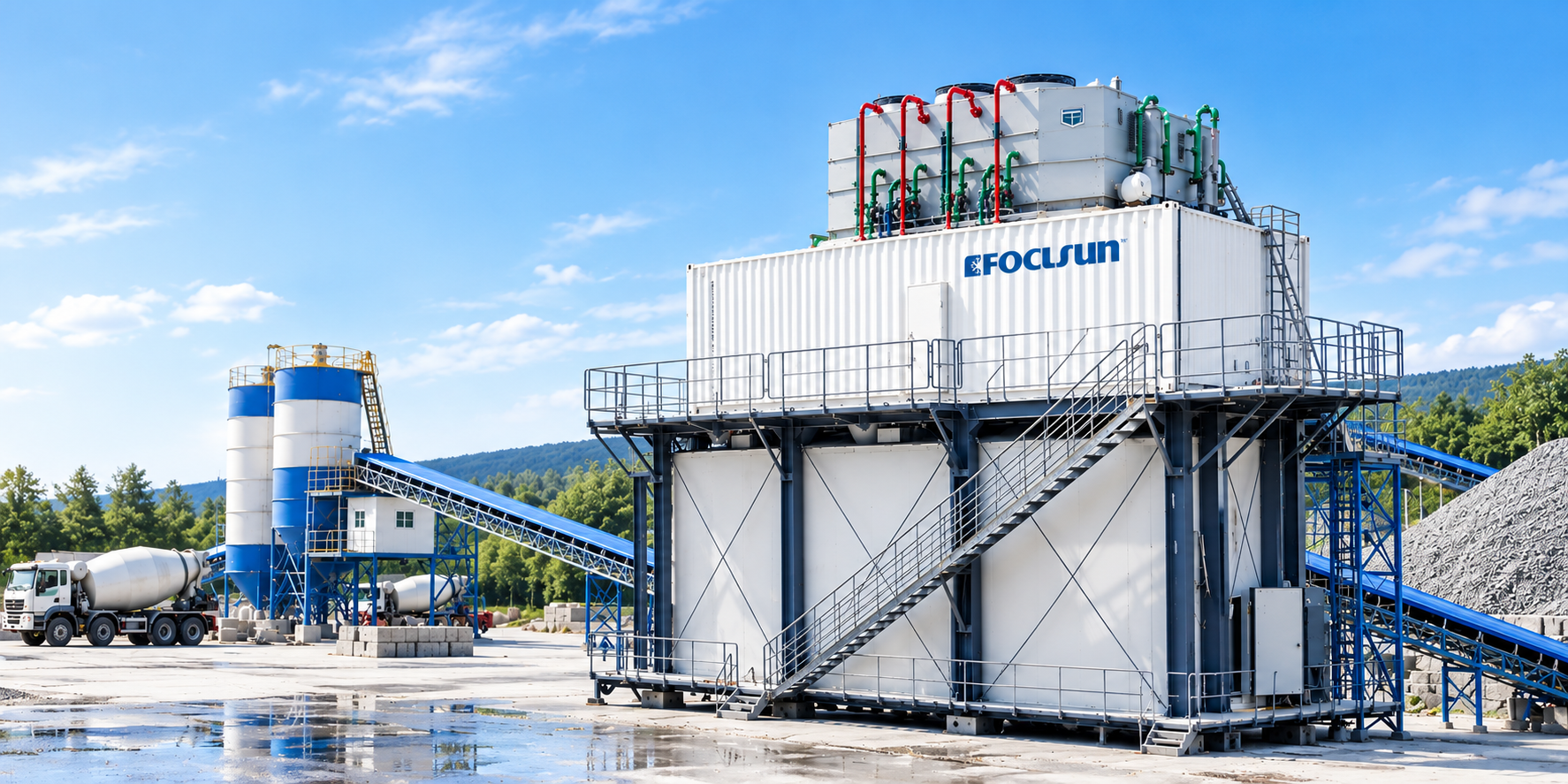
State where the concrete temperature must be achieved: mixer discharge, arrival at the construction site or placement. These are different conditions. A supplier assessing mixer discharge needs the transport time and expected heat gain if the contractual target applies later.
Provide representative mix designs, hourly output, batch size, mixing time and the busiest pour schedule. Include measured temperatures of aggregates, cementitious materials and incoming water. Record the hottest expected operating conditions, not only an annual average. Different mix proportions and material temperatures can change the cooling requirement even when plant output stays the same.
ACI guidance on mass concrete temperature control identifies precooling of ingredients and postcooling among the available measures. A batching plant precooling package should therefore be assessed within the project's wider thermal control plan. It does not, by itself, establish acceptable temperature differences or eliminate cracking risk after placement.
Request a heat balance showing the assumptions behind chilled water, ice and any aggregate cooling included in the proposal. Ask which inputs the supplier needs to confirm on site and how the equipment performs at the specified summer conditions.
Ice used in a concrete mix contributes to the mixing water. The approved mix water quantity must account for it, together with other water contributions. Caltrans guidance on proportioning and mixing also calls for checking that ice has melted by discharge. The cooling supplier and batching plant team should agree how ice dosing and water dosing interact with the approved mix design.
Focusun's concrete cooling system provides a starting point for discussing chilled water, ice making, storage, conveying and weighing. Ask for a project-specific equipment list and layout rather than assuming that every subsystem is included in a standard package.
A machine can make enough ice over a day while the batching plant still runs short during a continuous pour. Check three separate figures: daily ice requirement, usable storage and the delivery rate into the mixer. Storage provides a buffer, but it must be replenished within the available production hours.
Consider a hypothetical planning case in which an approved design calls for 30 kilograms of ice per cubic metre of concrete. The plant produces 60 cubic metres per hour for eight hours. The figures below demonstrate scheduling only; the ice dose is an assumption, not a recommended recipe or a Focusun rating.
|
Planning item |
Assumption |
Calculation |
Result |
|
Hourly ice demand |
60 m3/h at 30 kg/m3 |
60 x 30 |
1,800 kg/h |
|
Daily ice demand |
8 pouring hours |
1,800 x 8 |
14,400 kg |
|
Ice production window |
20 available hours |
14,400 / 20 |
720 kg/h |
|
Nominal draw from storage |
8 hours at stated rates |
(1,800 - 720) x 8 |
8,640 kg |
This simplified balance assumes simultaneous production and consumption, constant rates and no losses. Actual selection must allow for site-rated output, storage losses, interruptions and the required reserve. Also check the mixer charging window: delivering a batch's ice in a short charging interval can require a much higher conveyor rate than the hourly average suggests.
Ask each concrete cooling system manufacturer to mark every item as included, optional or supplied by the buyer. Cover refrigeration equipment, heat rejection, water tanks, pumps, ice storage, extraction, conveyors, weighing equipment, insulation, controls and the final connection to the mixer.
For the site work, assign responsibility for foundations, structural supports, lifting, power cables, water supply, drains and access platforms. A lower equipment price may exclude substantial installation work. Put delivery terms, freight, import charges and commissioning travel on separate lines so that the purchasing team can compare the installed budget.
A drawing is especially useful for an existing plant. Show elevations, the mixer inlet, maintenance access, conveyor routing and available space. Ask who verifies loads on existing structures and who coordinates interfaces with other contractors. Resolve these responsibilities before fabrication.
The cooling package must communicate with the batching sequence. Request a written description of ice weighing, water compensation, batch release signals and alarms. Identify which controller owns each function and what information passes between the two systems.
Discuss realistic interruptions: a low ice level, conveyor blockage, unavailable cooling water or a weighing fault. Ask whether the affected batch pauses, how the operator is notified and how production resumes. Any alternative batching procedure should be approved by the plant's responsible technical team; it should not depend on an operator improvising around a cooling failure.
Request estimated electricity and utility consumption at the stated operating point, with the equipment boundary identified. Compressor power alone leaves out pumps, fans, conveyors and storage equipment. Installed motor capacity also differs from measured energy consumption during a shift.
Compare offers using the same annual workload, electricity tariff and operating schedule. Include maintenance access, consumables, spare parts and local service requirements. Ask suppliers to distinguish measured results from engineering estimates and to explain the assumptions behind both. A generic energy-saving percentage is not enough to prepare a project budget.
Request relevant project references and a proposed acceptance procedure. Define the operating conditions, measurement instruments, test duration and responsible parties. Equipment tests before shipment can verify agreed functions, while site commissioning must address interfaces and performance under the installation's actual conditions.
For the completed plant, agree how ice output, delivery consistency, weighing and concrete temperature will be recorded. Separate equipment performance obligations from factors controlled by the buyer, such as incoming material temperatures, mix changes and truck delays. Record warranty scope, spare-parts support and exclusions in the purchase documents.
Prepare one project brief containing the country and site location, concrete output, batch size, pour schedule, mix information, material temperatures and the required temperature at its measurement point. Add utility details, available space, layout drawings, planned commissioning date and the boundary between existing and new equipment.
Send this brief with your inquiry about our concrete cooling system. Ask for a preliminary configuration, a list of assumptions and an itemized quotation. If some measurements are unavailable, identify them as pending so the proposal can show which parts need confirmation before final equipment selection.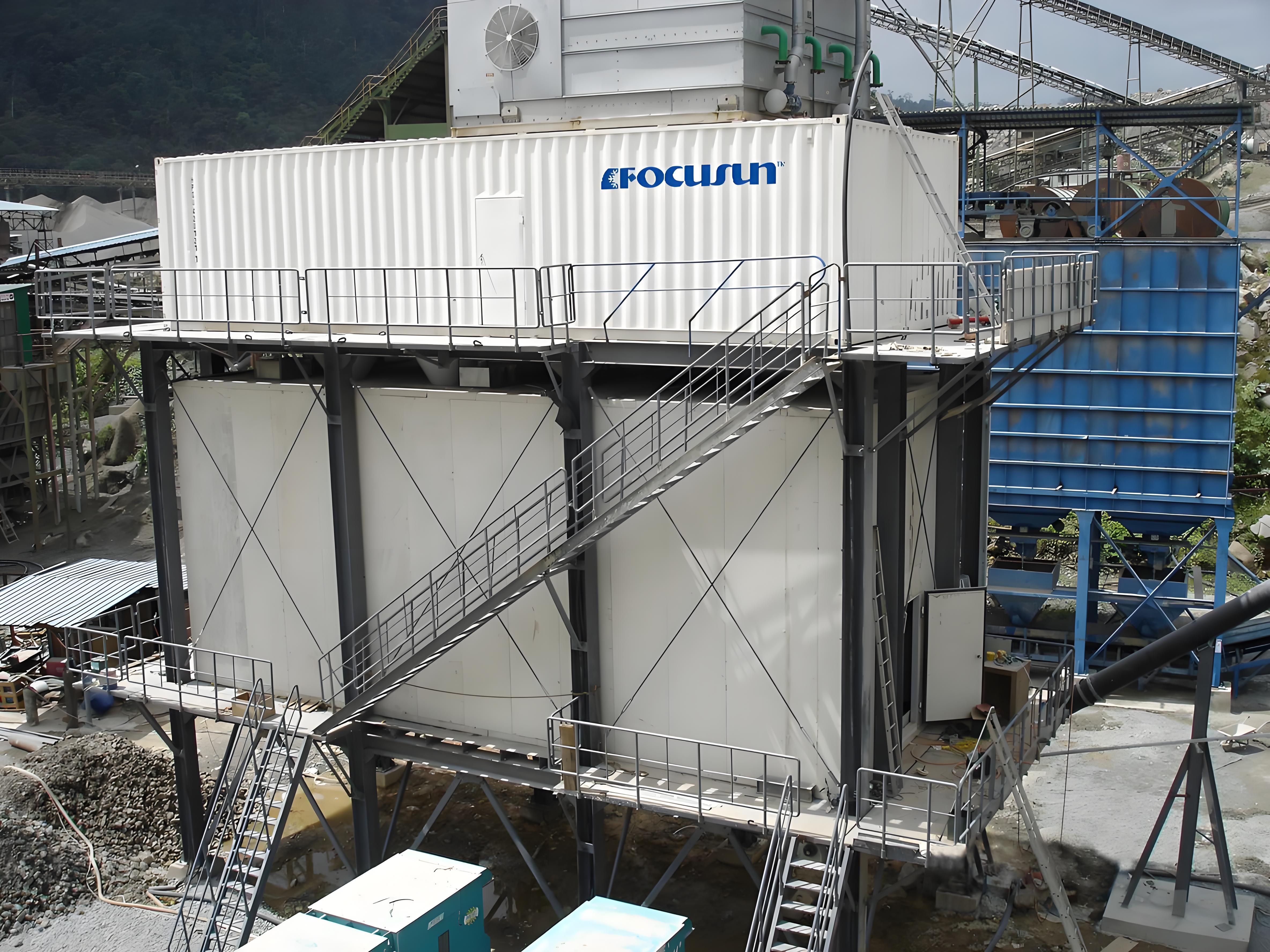
Give suppliers the same operating data and ask them to return a heat balance, equipment list, layout and scope schedule. Compare site-rated capacity, storage, peak delivery and integration responsibilities before comparing price. Request evidence relevant to a similar duty, together with a clear acceptance procedure. A familiar component brand alone does not establish that the complete installation will meet the batching plant's requirement.
No. Cubic metres per hour is only one input. Mix composition, material temperatures, target temperature, daily operating pattern and the mixer charging interval also matter. Two plants with equal nominal output may need different cooling configurations. Send measured data where available and ask the supplier to identify assumptions that materially affect selection.
The required combination depends on the heat balance and the approved mix design. Chilled water may be sufficient for some duties; others require additional cooling measures. Ask the supplier to explain the proposed combination and its operating limits. Avoid selecting a fixed equipment package before checking the project's material temperatures and temperature target.
An upgrade may be feasible after checking space, structural capacity, mixer access, utilities and control interfaces. Supply an accurate layout and photographs, then confirm dimensions before fabrication. Include the shutdown period needed for installation and commissioning. Reusing existing equipment should depend on its verified condition and suitability for the revised duty.
Define the term in writing. Request explicit inclusions for design, equipment, shipping, site installation, electrical connections, commissioning and training, together with exclusions and buyer responsibilities. Civil work and permits may remain outside the supplier's scope. A single total price is useful only when the delivery boundary and acceptance conditions are clear.
Start with location, concrete output, production hours, temperature target, material conditions and whether the project is new or an upgrade. Include utility availability and a simple layout. A preliminary budget can then be tied to stated assumptions. Confirm the final configuration and commercial terms after the missing measurements and installation boundaries have been resolved.
