
Cold room problems are often blamed on temperature, but humidity is usually standing beside it. Too little moisture shrinks produce, dries exposed meat, and reduces saleable weight. Too much creates sweating, slippery floors, frost, damaged cartons, and evaporator ice. Good cold room humidity control matches the room, product, packaging, airflow, and daily traffic.
This guide helps operators read symptoms, find the moisture source, and choose practical controls. Product specifications and applicable requirements remain the final authority for temperature and humidity targets.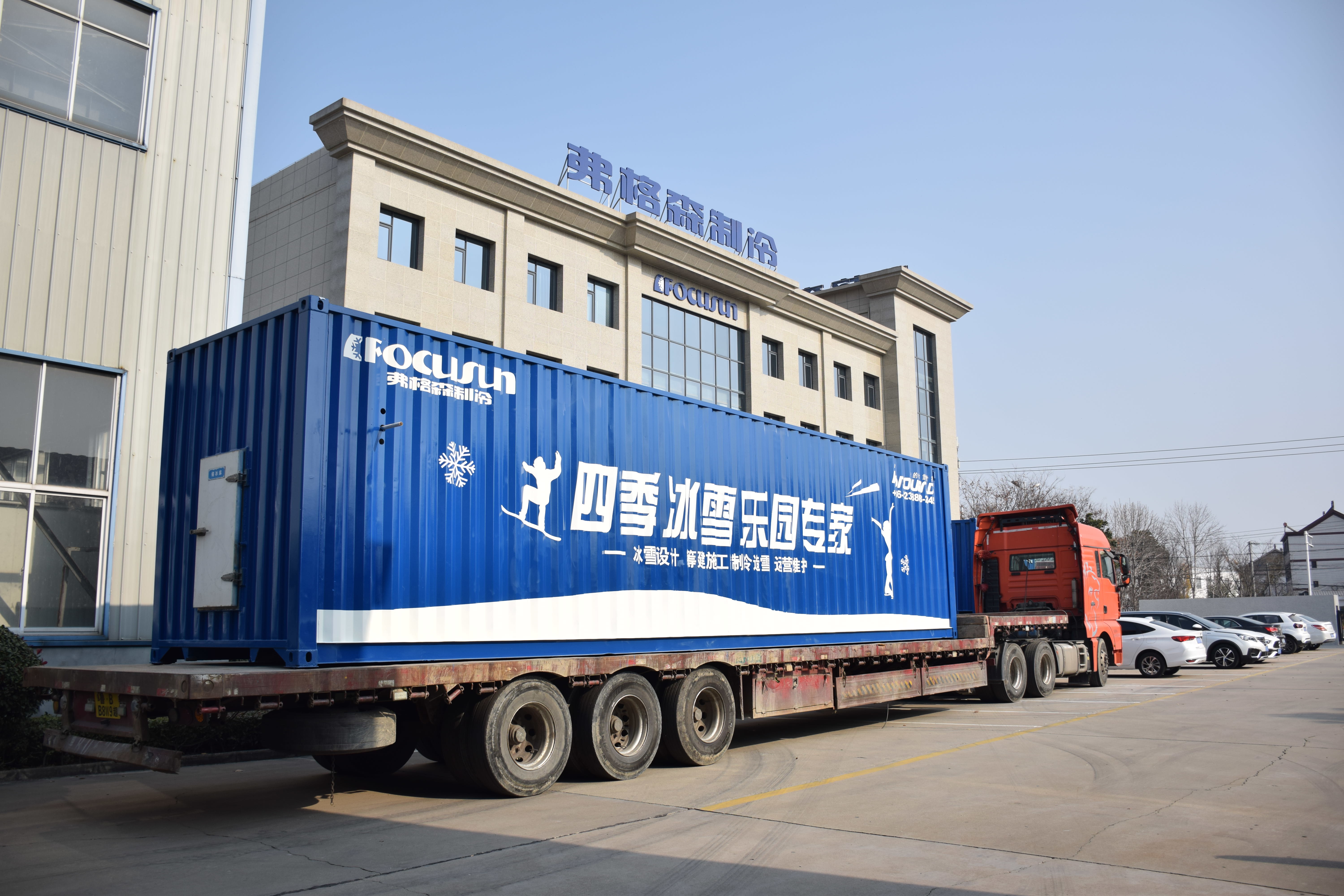
Leafy produce generally benefits from high relative humidity because exposed tissue loses water quickly. Dry onions and some cured products need drier conditions. Temperature swings can create condensation and ice inside damaged frozen-food packaging. Meat, seafood, dairy, flowers, pharmaceuticals, and mixed loads each require review.
Before changing equipment, identify the product, packaging, incoming temperature, storage time, door activity, and acceptable weight loss. Focusun’s cold room collection gives system context, while cold storage and delivery explains why receiving and dispatch affect the room.
|
Symptom |
Likely moisture mechanism |
First checks |
Common response |
|
Product shriveling or weight loss |
Air is too dry at the product surface |
RH trend, airflow, packaging, coil temperature |
Reduce dehydration without blocking cooling |
|
Sweating on product or panels |
Surface falls below local dew point |
Door traffic, warm loads, temperature swings |
Limit humid-air entry and stabilize conditions |
|
Frost on evaporator |
Moisture freezes on a cold coil |
Door seals, defrost, drainage, infiltration |
Correct moisture source and defrost performance |
|
Wet floor or cartons |
Condensate is not controlled |
Drain, vapor barrier, pipe insulation, door |
Repair water path before adding humidity |
The evaporator removes heat and also moisture when vapor condenses or freezes on the coil. A large difference between room air and the evaporating surface generally removes more moisture. Excessive airflow over unwrapped product accelerates drying even when average humidity appears acceptable.
Other causes include poor refrigeration control, long runs after warm loading, damaged packaging, low occupancy, and an unrepresentative sensor. Do not casually reduce fan speed or raise the setpoint; that can create warm spots. Review the coil, fan control, spacing, and packaging as one system.
Warm humid air enters when a door opens. Meeting a cold panel, pipe, product, or evaporator, it may reach dew point and release water; below freezing, that moisture becomes frost. Repeated traffic, poor gaskets, damaged insulation, missing vapor barriers, wet products, and warm loading areas increase the load.
Temperature fluctuation makes matters worse. Cold product moved into warm humid air may sweat, while a partly warmed room can condense moisture as it cools again. The Focusun walk-in cooler guide covers doors, airflow, defrost, sensors, and insulation.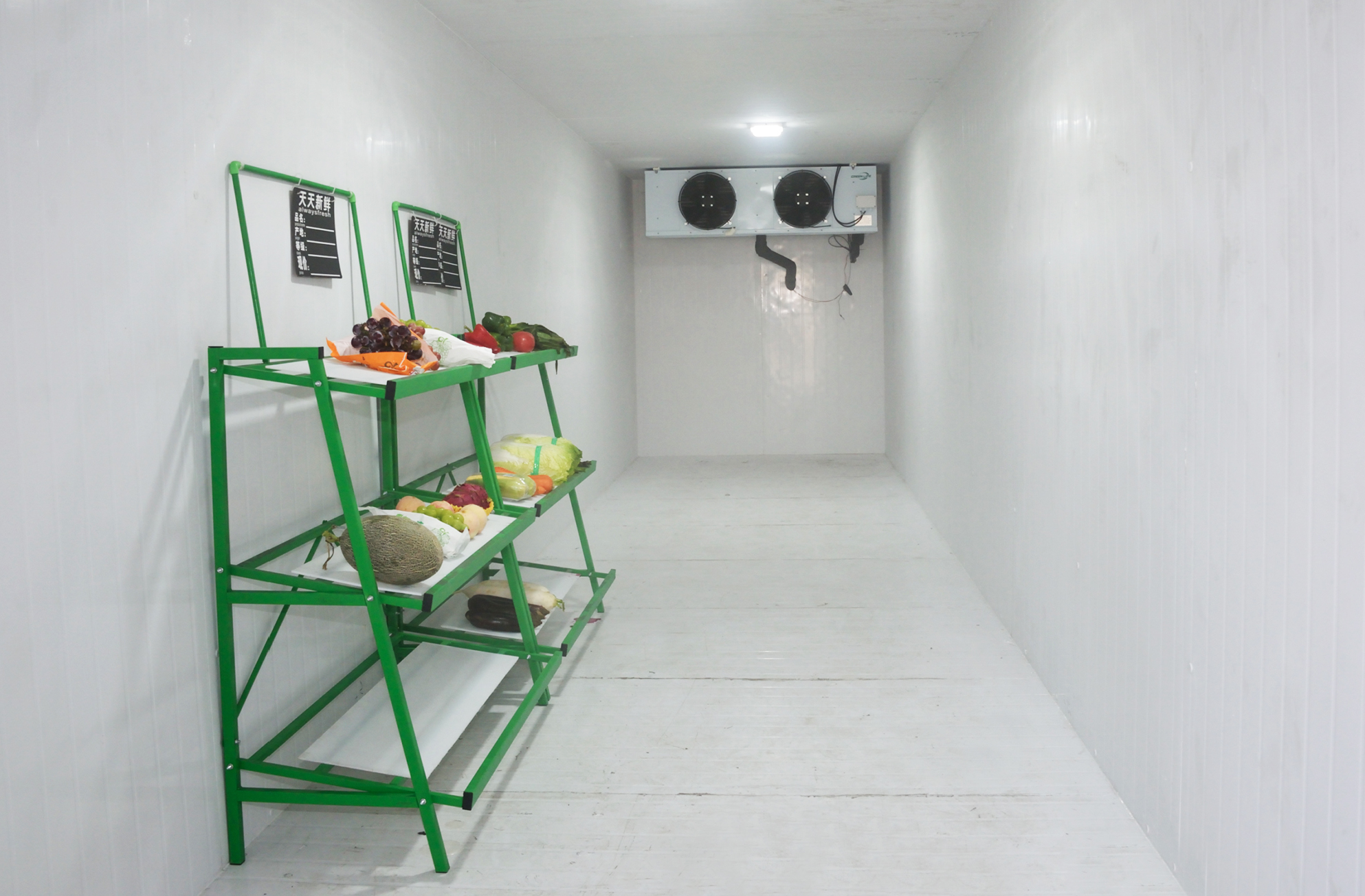
The cheapest moisture is what never enters. Repair gaskets, adjust closers, and match the opening to pallet or staff movement. Strip curtains, rapid doors, air locks, or a cooled anteroom can help, but each must suit the workflow. A curtain tied aside provides no control.
Coordinate receiving and dispatch so doors are not held open for paperwork or sorting. Pre-stage loads, condition the loading zone where practical, and keep wet packaging out of frozen storage. A containerized cold room still needs suitable access, ventilation, drainage, and door discipline.
Frost reduces heat transfer and eventually airflow. Defrost must remove ice, while the drain carries water away before it refreezes. Check timing, termination, fan delay, pan, trap, pipe heat, and slope. A longer or hotter defrost may add heat and moisture if infiltration or drainage is the real fault.
Frost on one area may indicate an airflow, refrigerant, heater, sensor, or door problem. Threshold ice may come from warm-air leakage. Map where ice begins before choosing the repair.
Humidification may protect suitable produce, but it needs a reliable humidistat and hygienic design. Water quality, droplet size, placement, cleaning, drainage, and microbial control matter. Adding mist to a room with condensation, damaged insulation, or poor airflow usually worsens the symptoms.
Packaging can reduce dehydration, but liners and films must permit required cooling and gas exchange. When field or process heat must be removed rapidly, a vacuum cooler or other precooling method can reduce the storage-room load.
One controller sensor cannot describe an entire room. Compare representative product zones, return air, doors, and trouble spots. Avoid discharge air, wet walls, or locations disturbed by staff. Use instruments rated for low temperature and calibrate them on a documented schedule.
Record temperature and humidity with door events, defrost cycles, loading times, product temperature, and outdoor conditions. A graph may show that “high humidity” is a short delivery spike or that drying follows a long pull-down. This is more useful than one handheld reading.
A storage room is most stable when products enter near holding temperature. Warm loads increase runtime, lower coil temperature, and change humidity. If rapid pull-down is required, compare a blast freezer with storage duty instead of forcing one room to do both. Focusun’s blast freezer versus cold room guide explains the difference.
An off-grid solar-powered cold room also needs planning for doors, nighttime operation, batteries, and backup power. Stable power and temperature reduce humidity swings.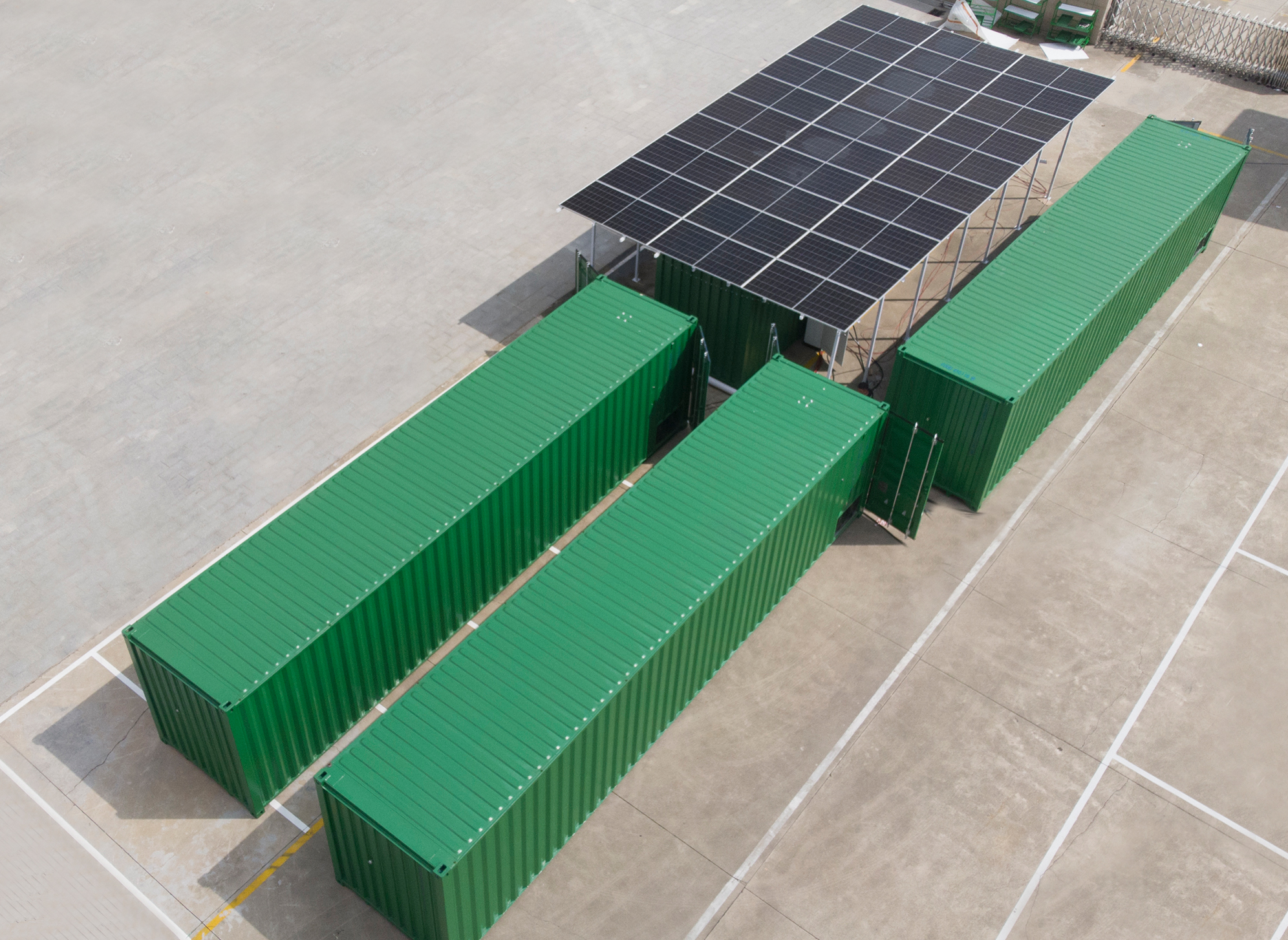
For advice, provide the product, packaging, targets, daily load, incoming temperature, storage time, dimensions, construction, door schedule, climate, evaporator, defrost, sensors, and trend data. Photos of frost, wet areas, damaged panels, and loading routes help. Share them through the Focusun project enquiry page so the recommendation addresses the source, not only the symptom.
There is no universal setting. The ideal relative humidity depends on the product, temperature, packaging, storage time, airflow, and quality target. Many fresh fruits and vegetables require relatively high humidity to limit water loss, while dry onions, cured products, and some low-moisture goods need drier conditions. Frozen packaged food has different concerns from exposed chilled meat or produce. Use the product specification and applicable storage guidance first, then verify conditions at the product location. A comfortable average reading is not enough if doors, coils, or blocked airflow create wet and dry zones.
Condensation forms when humid air contacts a surface colder than the air’s dew point. Common causes include frequent door opening, damaged gaskets, warm or wet products entering, unconditioned loading areas, poorly insulated pipes, panel or vapor-barrier damage, and unstable room temperature. First identify where and when water appears. Moisture near the door suggests infiltration; water beneath a pipe may indicate failed insulation; widespread sweating after loading points to a warm humid-air event. Repair the source and drainage path before changing the humidity setting or adding dehumidification equipment.
Some frost is expected when a coil operates below freezing, but rapid or uneven buildup needs investigation. Check door seals, door-open time, wet loads, room pressure, defrost schedule, termination sensor, fan delay, drain pan, trap, and drain-line heating where fitted. Also confirm that cartons do not block return or discharge air. Do not simply add more defrost time; excessive defrost can introduce heat and moisture without correcting infiltration. Heavy ice on one section may require a technician to inspect refrigerant distribution, heaters, sensors, fans, and controls.
Products lose moisture when the vapor-pressure difference between the product and surrounding air drives evaporation. Low relative humidity, long storage, exposed surfaces, damaged packaging, high air velocity, low room occupancy, and a large coil-to-room temperature difference can accelerate the loss. Confirm actual weight loss and map humidity and airflow around representative pallets. Packaging, coil selection, fan control, and product loading may need adjustment. Avoid restricting airflow casually, because that can create warm zones and unsafe cooling. The aim is adequate surface protection while maintaining uniform product temperature.
A hygienically designed humidifier can help suitable produce, but only after the room’s temperature control, airflow, insulation, door leakage, and drainage are working correctly. Confirm the target for each crop; not every fruit or vegetable needs the same humidity, and mixed loads may be incompatible. The system should use suitable water, controlled droplet size, reliable humidistat placement, regular cleaning, and safeguards against wetting cartons, coils, floors, or electrical equipment. Packaging or precooling may solve part of the dehydration problem with less added moisture. Validate the result by monitoring product weight and condition.
Yes. Excess humidity or local condensation can soften cartons, promote corrosion, create slippery floors, wet insulation, encourage decay on susceptible products, and increase frost on cold surfaces. The risk is especially high when humidity is near saturation and temperature fluctuates, because a small change can cause sweating. However, lowering humidity too far may increase product shrink and quality loss. Diagnose the moisture source before choosing dehumidification. Door infiltration, warm loads, leaking drains, failed pipe insulation, or poor defrost control may create wet conditions even when the average room humidity target is reasonable.
Place sensors where they represent stored products, then use additional points near return air, doors, and known problem zones when the room is large or variable. Avoid direct evaporator discharge, wet walls, ceilings above doors, heaters, humidifier spray, and locations that are routinely blocked by cartons. The sensor must be rated for the temperature and expected condensation conditions. Compare it with a calibrated reference on a documented schedule. For troubleshooting, temporary data loggers at several heights and aisles can reveal gradients that one wall-mounted controller sensor will miss.
Usually, yes—especially in warm, humid climates. Each opening allows outside air and water vapor to enter. The refrigeration system removes the heat, while moisture condenses or freezes on coils, panels, products, and thresholds. The effect depends on door size, open time, traffic, pressure difference, outdoor conditions, and whether an anteroom or curtain is used. Reduce unnecessary opening by staging loads, coordinating paperwork, repairing closers, and choosing a door suited to the handling route. Track door events alongside humidity and defrost data to quantify the impact.
Possible sources include a blocked or poorly sloped condensate drain, damaged drain pan, leaking water pipe, failed pipe insulation, door condensation, defrost water that refreezes, wet incoming cartons, panel-joint leakage, or cleaning water left behind. Do not assume every puddle is refrigerant-related or simply mop it repeatedly. Note its location and timing, trace nearby pipes and drains, and inspect after defrost and loading. Water near electrical equipment, structural damage, or recurring ice requires prompt professional attention. Correct the source, then clean and dry the area safely.
Provide the stored product and packaging, target temperature and humidity, actual trend data, storage time, daily incoming load, product entry temperature, door dimensions and opening frequency, outdoor climate, room size, insulation and vapor-barrier details, evaporator model, coil temperature where known, airflow arrangement, defrost method, drainage, and sensor locations. Include photos showing frost, condensation, damaged panels, wet cartons, and pallet layout. Explain when the symptom appears—after loading, overnight, during defrost, or continuously. This evidence helps distinguish infiltration, equipment sizing, airflow, drainage, and product-moisture issues.
